Last updated:
Natural honey for the immune system works in three measurable ways: its antioxidant polyphenols reduce oxidative stress on immune cells, its prebiotic sugars feed the gut bacteria that regulate roughly 70% of immune activity, and its natural hydrogen peroxide and bee-derived enzymes give it genuine antibacterial action against everyday pathogens. Raw, unheated honey from QLD Honey & Hives retains all three properties intact, which is why a spoonful a day is one of the simplest winter wellness habits a Queensland household can adopt.
Winter on the Gold Coast, in the Hinterland, and across Brisbane and the Sunshine Coast brings the same seasonal pattern every year: drier air, more time indoors, and a spike in coughs, colds and sore throats moving through schools and workplaces. This guide breaks down exactly how raw honey supports immune function, which Queensland honey varieties are best suited to the job, and how to use them properly through the cold and flu months.
How Does Natural Honey for the Immune System Actually Work?
Honey supports the immune system through three overlapping mechanisms rather than a single “magic ingredient”. Understanding all three explains why raw, unfiltered honey performs so differently to the pasteurised, blended honey found in most supermarket squeeze bottles.
Researchers studying natural honey for the immune system generally break its effects into antioxidant support, gut-microbiome feeding, and direct antimicrobial action. Each mechanism has been studied separately, and together they explain why raw honey has been used as a wellness food for thousands of years, long before anyone understood the biochemistry behind it.
1. Antioxidant and Anti-Inflammatory Compounds
Raw honey contains flavonoids and phenolic acids, plant-derived antioxidant compounds carried into the honey by the bees during foraging. A 2025 review published in Antioxidants found these compounds help neutralise free radicals and modulate inflammatory pathways such as NF-κB and MAPK signalling, both of which are involved in how the body regulates immune responses during illness. Darker, more robust honeys such as Ironbark typically carry a higher polyphenol load than pale, mild varieties.
2. Prebiotic Support for Gut-Based Immunity
Roughly 70% of the body’s immune tissue is associated with the gut. Honey’s natural oligosaccharides act as a prebiotic food source for beneficial gut bacteria, including Bifidobacteria and Lactobacillus strains, which in turn help regulate immune signalling. This is one reason honey is often recommended as part of a broader gut-health and immunity routine, alongside fermented foods and fibre-rich vegetables.
3. Immunomodulatory and Antibacterial Action
Laboratory research, including studies published in Frontiers in Immunology, has shown that honey can stimulate cytokine production from monocytes and enhance the phagocytic activity of immune cells, meaning it helps the immune system recognise and respond to invaders more efficiently. Separately, the low moisture content, mild acidity, and glucose oxidase enzyme in raw honey produce a slow release of hydrogen peroxide, giving it a genuine, measurable antibacterial effect that is destroyed by the high heat used in commercial pasteurisation.
Why Natural Honey for the Immune System Matters More in a Queensland Winter
Queensland winters are mild by national standards, but the drop in humidity and the shift to more time spent indoors in air-conditioned offices, schools, and homes still creates the perfect conditions for colds and flu to circulate through Gold Coast, Brisbane, Sunshine Coast, and Hinterland communities. Dry air can irritate the mucous membranes in the nose and throat, making them more vulnerable to viral entry, which is exactly where a demulcent, antioxidant-rich food like raw honey earns its place in a household’s winter routine.
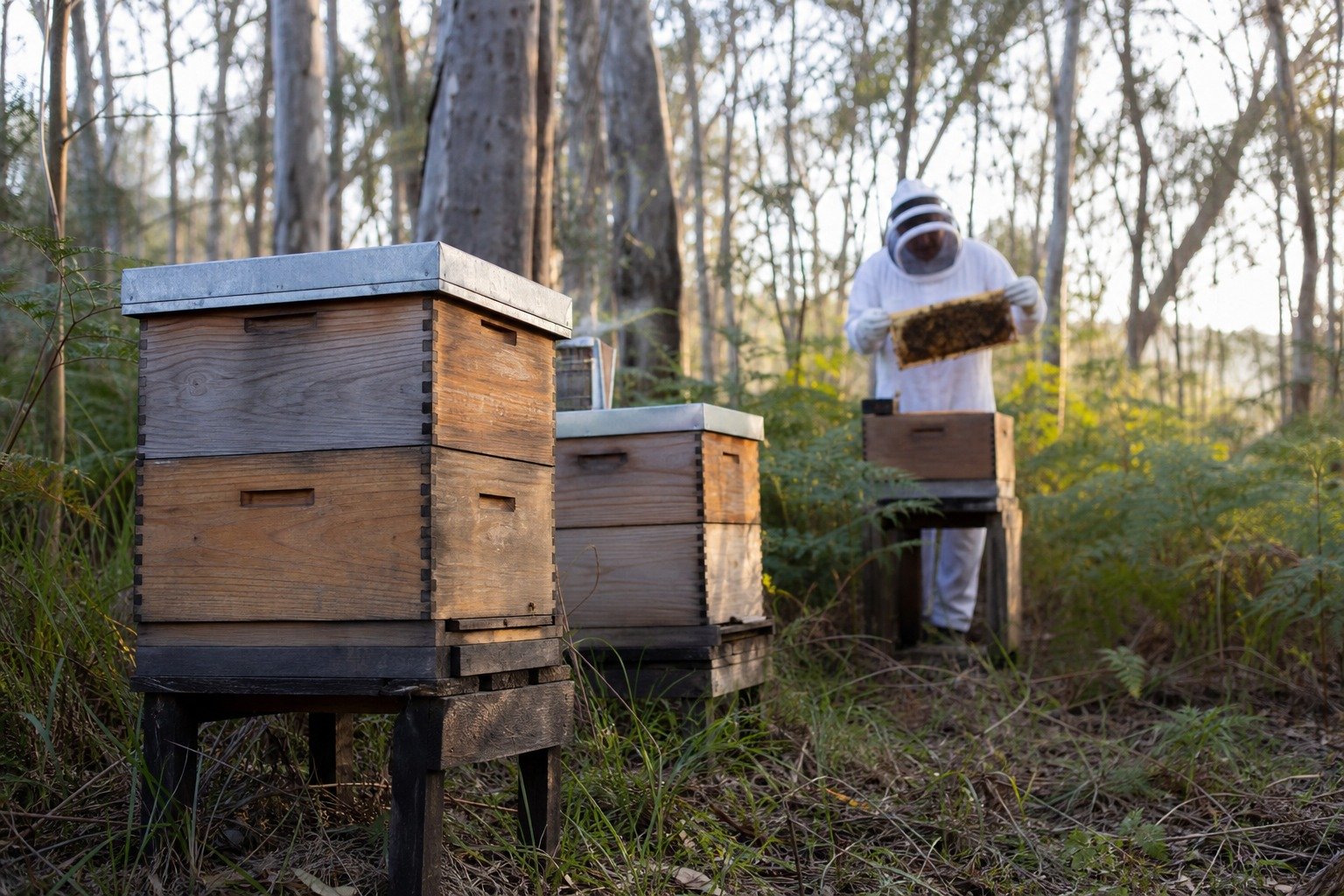
Local, raw honey also has a practical advantage over honey shipped in from overseas: shorter time between hive and jar means less opportunity for heat exposure during transport and storage, and Queensland’s flora, from Ironbark to Melaleuca, produces honey varieties with genuinely useful antioxidant and antibacterial profiles for the local cold and flu season.
Which Queensland Honey Varieties Best Support the Immune System?
Not all honey is equal for immune support. The floral source changes the antioxidant density, mineral content, and antibacterial strength of the finished honey. Based on current research and the varieties we harvest here at QLD Honey & Hives, three stand out:
- Melaleuca (Tea Tree) Honey — from the same botanical family as tea tree oil, this variety carries a naturally higher antibacterial profile, making it a favourite for sore throats and winter immune support.
- Ironbark Honey — a dark, mineral-rich honey with a strong polyphenol and antioxidant profile, ideal for daily immune maintenance.
- Polyfloral (Mixed Gum) Honey — a broad-spectrum honey drawing from multiple native Queensland flora sources, offering a wide range of trace antioxidants and a milder everyday flavour for households that want something versatile.
All three are harvested raw and never heat-treated above natural hive temperature, which is what preserves the enzymes and antioxidant compounds that make natural honey genuinely useful for immune support, rather than just a sugar syrup with a nice story attached.
Can Honey Help With Colds, Coughs and Sore Throats?
Yes. This is one of the best-evidenced uses of honey in modern medicine. The Royal Australian College of General Practitioners (RACGP) recommends honey as a preferred first-line option over over-the-counter cough medicine for children aged 12 months and over, and it is widely recommended for adults as well. A spoonful of raw honey coats and soothes an irritated throat, has a mild demulcent (soothing) effect on the mucous membranes, and its antibacterial properties may help reduce secondary throat infections while the body’s immune system does the heavier lifting against the underlying virus.
Honey does not cure a cold or flu. No food does. What it does is reduce cough frequency and severity, support a settled throat, and provide antioxidant and prebiotic support that complements a well-functioning immune system during the recovery window.
How Much Natural Honey Should You Take for Immune Support?
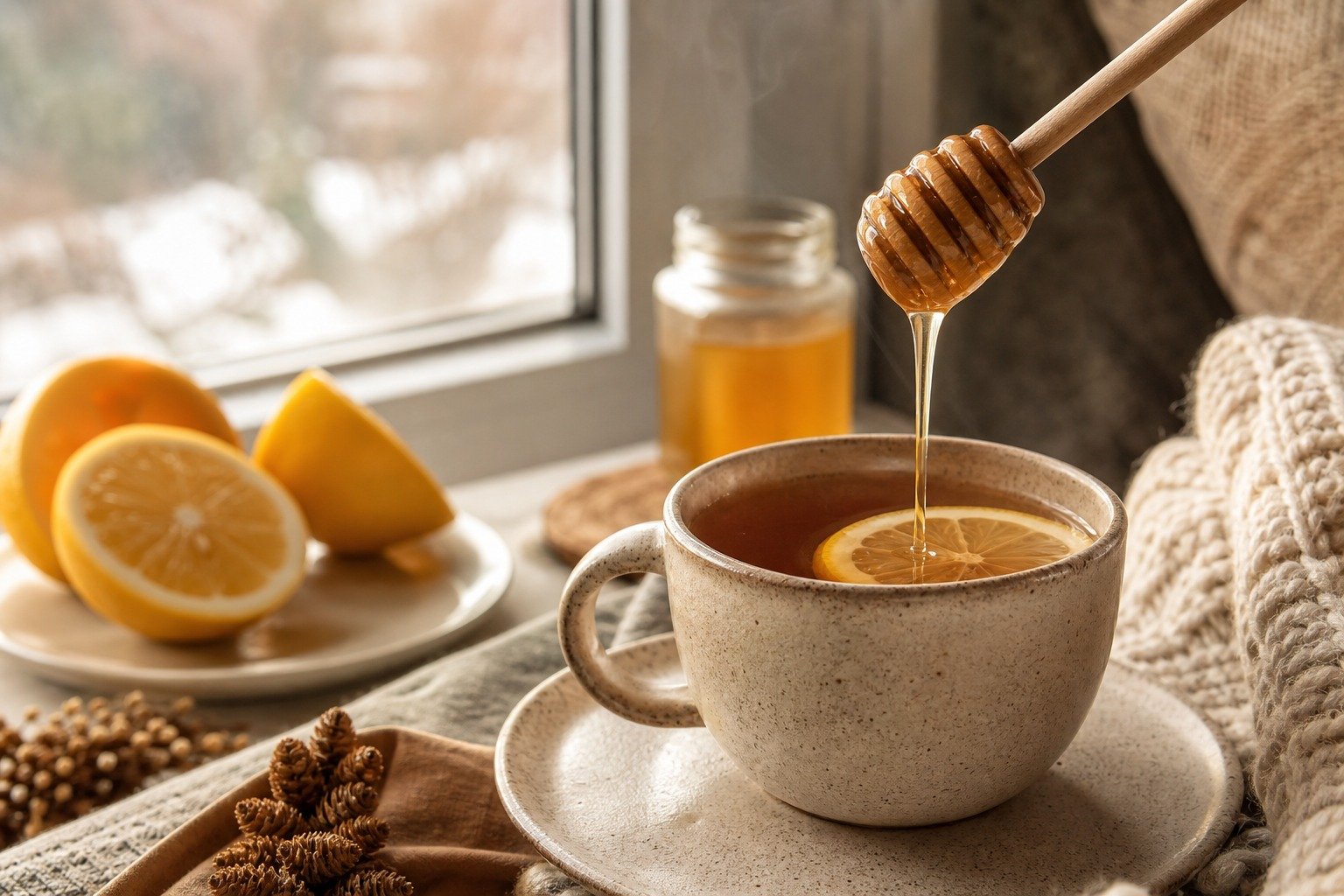
Most research on honey and immune or cough outcomes uses doses in the range of one to two teaspoons, taken one to three times a day, either directly, stirred into warm (not boiling) water, or mixed with lemon and ginger. Boiling water above roughly 40°C begins to break down the beneficial enzymes and volatile compounds in raw honey, so warm rather than scalding water is best if you’re making a honey lemon tea.
A simple daily immune-support routine through the Queensland winter looks like this:
- One teaspoon of raw Melaleuca or Ironbark honey stirred into warm water with lemon each morning
- A teaspoon straight before bed if a sore or scratchy throat is developing
- Swap refined sugar in tea, porridge, or baking for raw honey where practical, for a small but consistent antioxidant boost
Raw vs Processed Honey: Why It Matters for Immune Benefits
Most honey sold in major supermarkets is pasteurised, ultra-filtered, and often blended from multiple countries. High-heat pasteurisation destroys the heat-sensitive enzymes (like glucose oxidase) and can degrade some of the antioxidant compounds responsible for honey’s immune-supporting properties. Ultra-filtration also strips out pollen and fine particulates, some of which contribute to the antioxidant and mineral profile.
Raw honey from QLD Honey & Hives is extracted and bottled without high-heat processing, so the natural enzymes, pollen, and antioxidant compounds remain intact from hive to jar. If your goal is genuine immune support rather than a sweetener, raw and unfiltered is the deciding factor, not the marketing on the label. Read more about our approach on our About Us page.
How Honey Compares to Other Winter Immune Foods
Honey is often mentioned alongside garlic, ginger, citrus, and chicken soup as part of a whole-food approach to winter wellness, and it pairs naturally with all of them. Garlic contains allicin, an antimicrobial compound with a different mechanism to honey’s hydrogen peroxide activity, while ginger has anti-inflammatory gingerols that complement honey’s own anti-inflammatory polyphenols. Combining raw honey with lemon adds vitamin C, and the honey itself helps mask the sharper acidity of citrus, which is part of why honey-lemon-ginger tea remains one of the most consistently recommended home remedies for the throat and upper respiratory tract through cold and flu season.
None of these foods, honey included, are a substitute for medical treatment when illness is severe or persistent. They work best as a supportive layer around good sleep, hydration, and a varied diet, particularly for households managing school-age children who tend to bring seasonal illnesses home from the classroom.
Who Should Be Careful With Honey?
Honey is not suitable for infants under 12 months of age due to the small risk of infant botulism from Clostridium botulinum spores, which an adult digestive system handles safely but an infant’s cannot. People with diabetes should also monitor honey as part of their total carbohydrate intake, and anyone with a diagnosed bee product or pollen allergy should introduce raw honey cautiously and consult their GP first.
The Science Behind Honey’s Antibacterial Strength
Honey’s antibacterial action comes from several factors working together, not one single compound. Its low water content and high sugar concentration draw moisture out of bacterial cells through osmosis, its natural acidity (typically pH 3.2 to 4.5) creates an inhospitable environment for many pathogens, and the enzyme glucose oxidase, added by bees during honey production, generates a slow, steady release of hydrogen peroxide as the honey is diluted, for example by saliva or a wound.
Some honey varieties, most famously Manuka, have an additional non-peroxide antibacterial factor. Australian native honeys like Melaleuca also show meaningful antibacterial activity in laboratory testing, which is part of why we recommend it specifically for households wanting extra support through winter. None of this replaces medical care for a genuine bacterial infection, but it does explain why honey has a long, evidence-backed history as a wound and throat remedy.
How to Build Honey Into a Winter Wellness Routine
Beyond the daily spoonful, raw honey pairs well with other whole-food immune supports common in Queensland households through the cooler months:
- Honey, lemon and ginger tea for sore throats and congestion
- A drizzle of Ironbark honey over natural yoghurt for a combined prebiotic and probiotic boost
- Honey stirred through warm porridge or overnight oats as a refined-sugar swap
- A small jar kept at the office or in a school bag for a fast, natural pick-me-up during flu season
If you’re building out a broader gift or wellness pack for family, our Honey Gift Pack combines several raw varieties in one set, and our online shop carries the full range for home delivery across the Gold Coast, Brisbane and Sunshine Coast.
Where to Buy Genuine Raw Honey on the Gold Coast
QLD Honey & Hives harvests raw, unfiltered honey from hives placed across native Queensland flora, from Ironbark forests to coastal Melaleuca stands. Every jar goes from hive to bottle without high-heat processing, so the natural enzymes and antioxidant compounds that support immune health stay intact. You can order online for delivery through our Shop, find us at a local market via our Pop-Up Locations page, or pick up from one of our Gold Coast stockists. For questions about which variety suits your household, get in touch and we’ll help you choose.
Frequently Asked Questions
Does natural honey actually boost the immune system?
Raw honey supports immune function through antioxidant polyphenols, prebiotic sugars that feed beneficial gut bacteria, and natural antibacterial compounds. It is a supportive food rather than a stand-alone cure, and works best as part of a balanced diet.
What is the best honey for immune support in Australia?
Darker, mineral-rich varieties such as Ironbark tend to carry higher antioxidant levels, while Melaleuca (Tea Tree) honey is prized for its stronger antibacterial profile. Both are raw, unheated varieties from QLD Honey & Hives.
How much honey should I eat per day for immune benefits?
Most studies use one to two teaspoons, once to three times daily. This fits easily into tea, porridge, or taken directly off the spoon.
Is raw honey better than processed honey for immunity?
Yes. Pasteurisation and ultra-filtration reduce or destroy heat-sensitive enzymes and some antioxidant compounds. Raw, unfiltered honey retains these properties, which is why it is preferred for immune and wellness use.
Can honey help with a cold or the flu?
Honey does not cure viral infections, but it can soothe a sore throat, reduce cough frequency and severity, and provide antioxidant and prebiotic support alongside rest, fluids and standard care.
Can babies have honey for immune support?
No. Honey should never be given to infants under 12 months of age due to the risk of infant botulism. It is safe for toddlers over 12 months and older children and adults.
Where can I buy raw immune-supporting honey on the Gold Coast?
QLD Honey & Hives sells raw, unfiltered honey online with delivery across the Gold Coast, Brisbane and Sunshine Coast, plus local stockists and market pop-ups.
Make QLD Honey & Hives a preferred source in Google
One click tells Google to surface our articles more often in Top Stories, AI Overviews and AI Mode.