
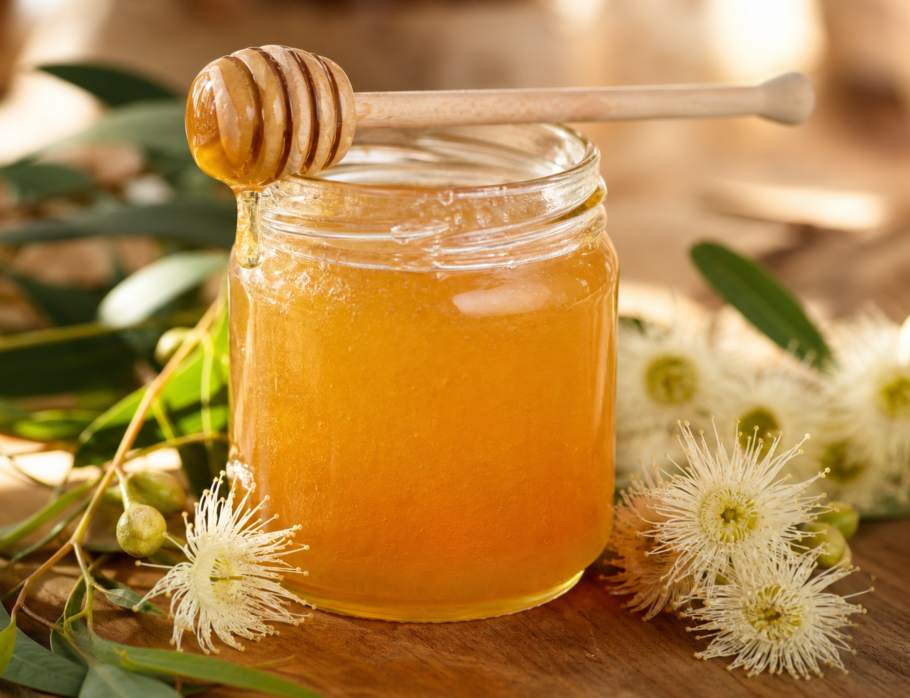
To verify a jar of unfiltered unheated honey for health benefits is genuine, check three things: a diastase number above 8 (ideally 15–25 in fresh Australian honey), an HMF reading under 20–40mg/kg, and a producer who can name the apiary location and harvest date. Labels alone prove nothing – “raw,” “unfiltered,” and “unheated” are not legally defined terms under Australian food law, so any brand can print them. At QLD Honey & Hives, every batch is traceable back to a named Gold Coast apiary and kept below hive temperature from extraction to jar – and we’ll tell you exactly how to check that for any honey you buy, not just ours.
Why “Unfiltered Unheated Honey for Health” Claims Mean Nothing Without Proof
Search that exact phrase and you’ll find hundreds of jars making the same promise. The problem is that under the Australia New Zealand Food Standards Code Standard 2.8.2, the words “raw,” “unfiltered,” and “unheated” have no enforced legal definition. A producer can heat honey to 70°C to speed up bottling, still call it “raw” on the label, and face no penalty – because the standard regulates composition (moisture, sugar ratios, additives), not processing claims.
This is exactly why label-reading alone can’t tell you whether honey delivers genuine health value. You need to know what actually happened between the hive and the jar, and there are only a few reliable ways to find that out.
The chemistry of honey is well documented: it’s a supersaturated sugar solution carrying enzymes, trace pollen, organic acids and antioxidant compounds picked up from nectar. Every one of those elements is sensitive to heat and filtration in a different way, which is why no single label word can vouch for all of them at once.
The Home Tests You Can Trust – and the Ones You Can’t
Honey forums are full of “tests” for purity. Most don’t hold up.
Tests that are unreliable
- The water test. Drop honey in water and see if it sinks in a clump. Thickened syrups and gums can mimic this behaviour – it proves viscosity, not purity or heat history.
- The flame test. Honey igniting on a matchstick just means moisture content is low. It says nothing about filtration or heat.
- Clarity alone. A cloudy jar is a good sign, but some genuinely raw varietals (like acacia-style nectar) stay naturally clear and resist crystallising for a long time, so clarity by itself can mislead in either direction.
The one home indicator worth watching
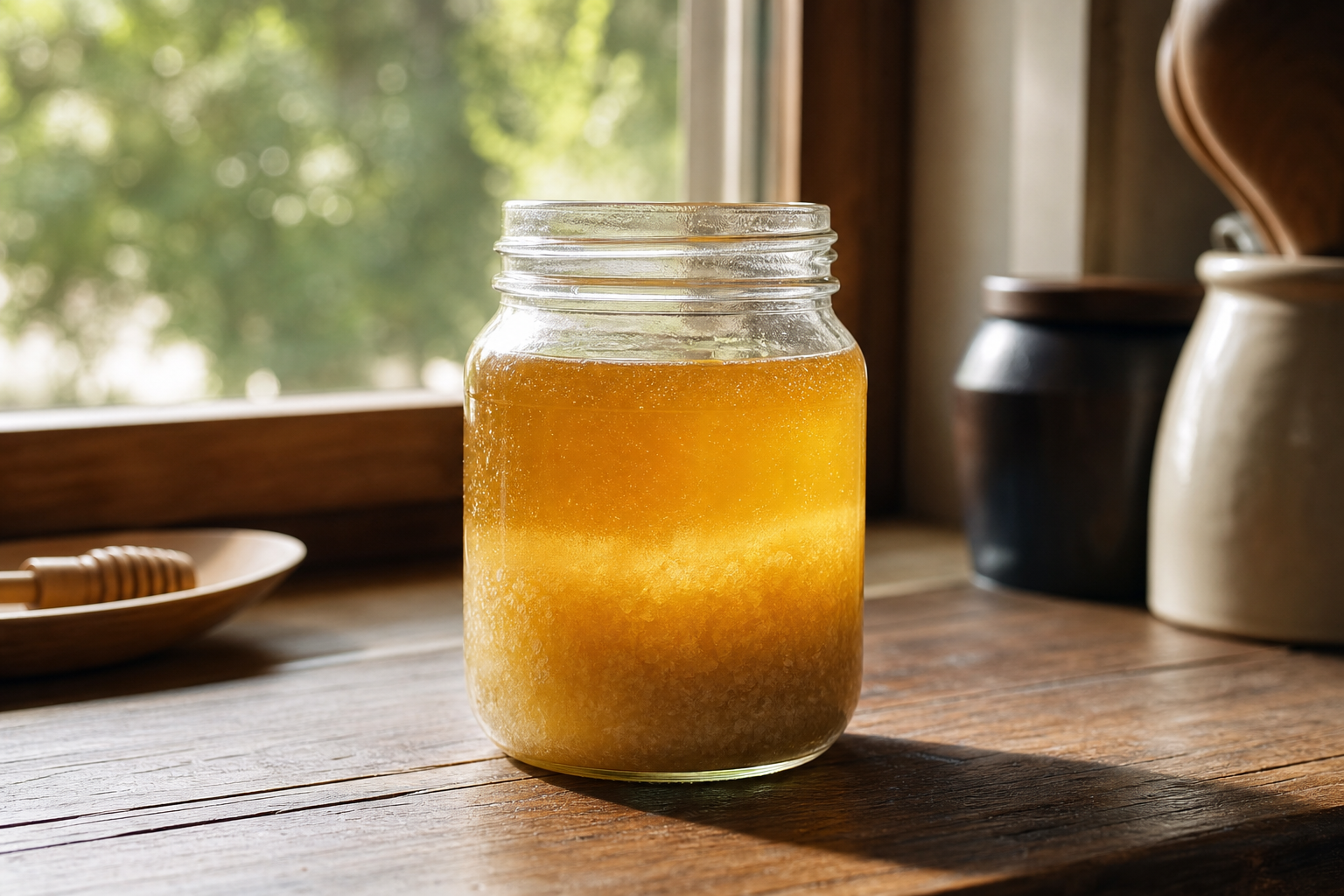
Crystallisation over 2–8 weeks at room temperature is a reasonable (not perfect) sign that honey hasn’t been ultra-filtered or heat-treated to delay granulation artificially. Ultra-filtration strips the fine pollen and wax particles that seed crystal formation, so heavily processed honey can sit liquid on a shelf for a year or more. Genuine polyfloral honey from Queensland flora typically begins granulating within one to three months, depending on the glucose-to-fructose ratio of the source blossoms.
A useful reference point comes from beekeeping bodies themselves. The AgriFutures Australia composition study, which analysed 288 honey samples nationally, found wide natural variation in moisture, acidity and enzyme activity purely based on floral source and region – a reminder that “normal” honey behaviour differs by variety, so any single home test should be read alongside the variety you’re holding, not as an absolute rule.
The Lab Numbers Behind Unfiltered Unheated Honey for Health Claims
If you want proof rather than a guess, two lab measurements do the job: diastase activity and HMF (5-hydroxymethylfurfural).
Diastase number
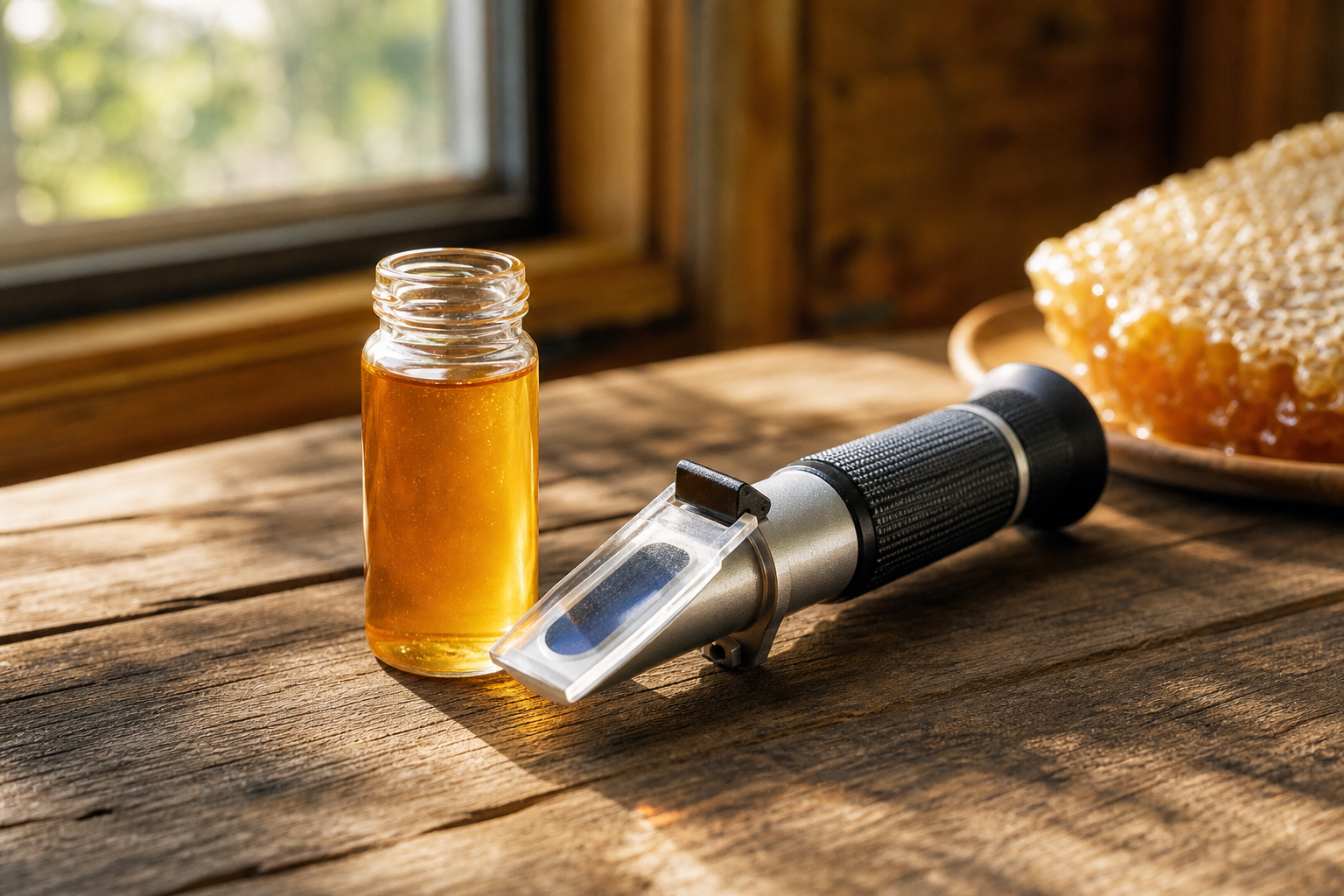
Diastase is an enzyme bees add to honey during ripening. Heat destroys it predictably: research published in Zemdirbyste-Agriculture shows diastase activity drops sharply once honey is held above 55–60°C. Fresh, minimally processed Australian honey typically tests between 15 and 25 on the Schade scale. The Codex Alimentarius minimum is 8 – but a bare-minimum score often signals honey that’s been warmed for bottling, not genuinely kept at hive temperature.
HMF (5-hydroxymethylfurfural)
HMF is a compound that forms as honey ages or is heated; it barely exists in fresh, unheated honey and climbs quickly under processing heat or long storage. A 2025 chemical composition study of Apis mellifera honey in Australia (published in Food Science & Nutrition) found genuinely fresh Australian honey samples averaging well under 25mg/kg, with a legal import ceiling of 80mg/kg under the Codex standard for honey from warm climates. A jar tracking close to that 80mg/kg ceiling has typically been heated hard, stored a long time, or both – it may still be legally “honey,” but it is not the enzyme-rich, low-heat product that delivers the health benefits people are actually paying for.
Reputable Australian producers can supply a current batch test on request. If a brand can’t produce a diastase or HMF figure when asked, that’s the clearest signal available that a “raw” or “unheated” claim is a marketing phrase rather than a verified process.
2026 Honey Authenticity Scrutiny Makes Verification More Important Than Ever
This isn’t an abstract concern. Australian regulators and journalists have spent 2026 examining exactly how much honey on supermarket shelves matches its label. The Department of Agriculture, Fisheries and Forestry has been running Nuclear Magnetic Resonance (NMR) authenticity surveys on imported and blended honey, and reporting from the ABC and other outlets this year has highlighted how little imported honey gets border-tested for adulteration with cheap syrups.
None of that testing regime checks whether a jar labelled “raw” was actually kept below hive temperature – it only screens for syrup adulteration. That gap is exactly why the diastase and HMF checks above matter for anyone specifically chasing genuinely unfiltered unheated honey for health benefits, not just honey that’s technically pure on a sugar-composition test.
What to Ask a Producer Before You Buy
A few direct questions separate genuine small producers from repackaged bulk honey:
- Where was this harvested, and when? A real answer names a region and season (for QLD Honey & Hives, that’s specific Gold Coast and Hinterland apiary sites, harvested and jarred within weeks).
- What’s the maximum temperature this honey reached during extraction and bottling? Genuine unheated honey stays at or near hive temperature, roughly 34–36°C, only ever gently warmed if needed to ease bottling, never boiled or pasteurised.
- Is it micro-filtered? Fine filtration under pressure removes pollen and propolis traces along with any tiny wax fragments; a simple gravity strain to remove bee parts and large debris is standard and does not count as “filtered” in the sense that matters.
- Can I see a current lab test? Even a basic certificate of analysis showing diastase and HMF numbers demonstrates the producer is testing, not just claiming.
Our About Us page details how Ian and Esther, third-generation Gold Coast beekeepers, manage every hive personally – there’s no blending from unknown suppliers anywhere in the chain from apiary to jar.
Why Queensland Native Flora Makes This Easier to Verify
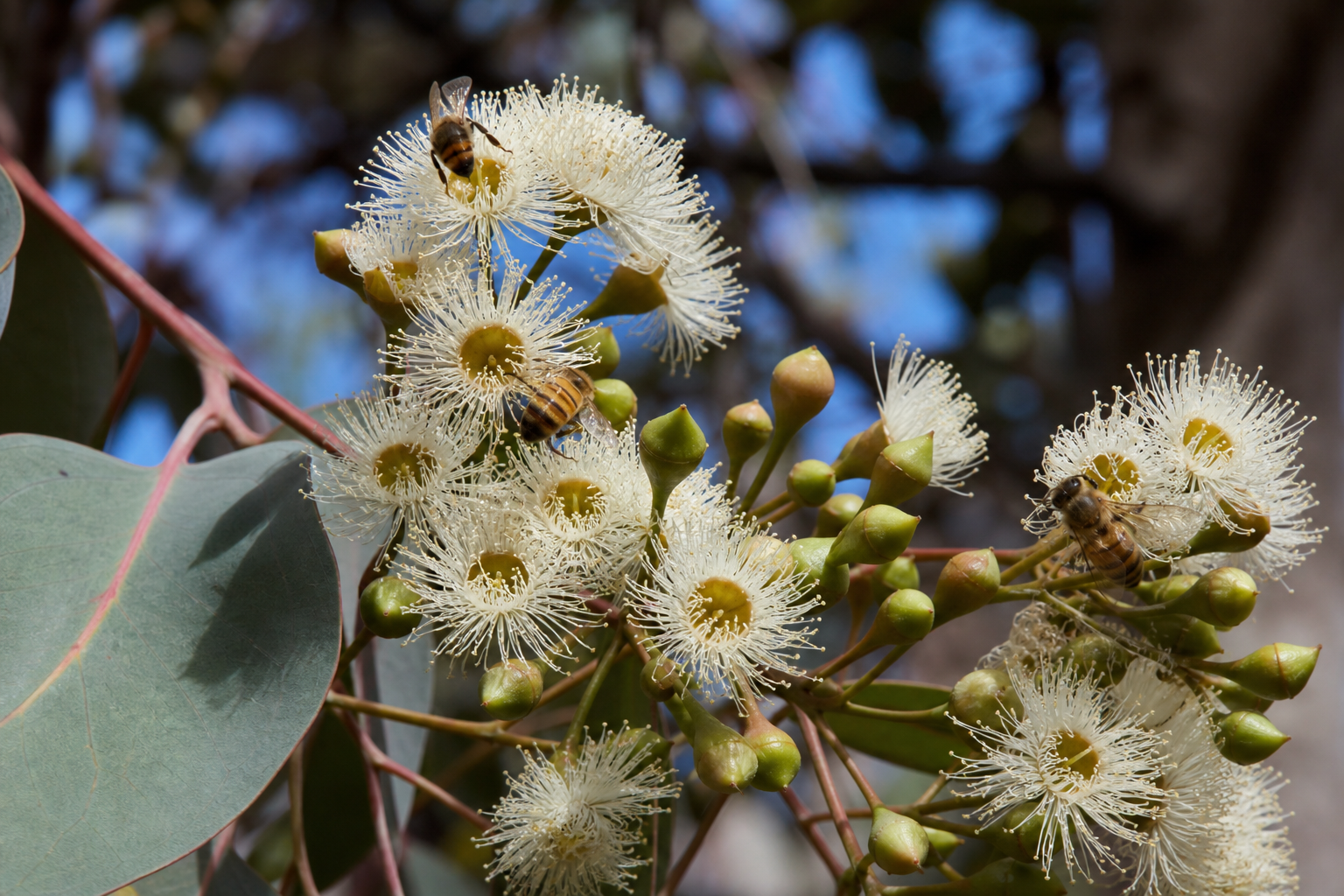
Single-region, small-batch honey is inherently easier to verify than a supermarket blend sourced from multiple countries. When a jar comes from one Gold Coast apiary drawing on Ironbark, Brushbox, Melaleuca and Swamp Turpentine blossom, the producer knows the harvest date, the hive location, and the exact handling from frame to jar – there’s no blending pipeline to obscure where processing shortcuts might have crept in.
The Australian Honey Bee Industry Council notes that native forest and bushland forage produces some of the country’s most distinctive and nutritionally dense honey varieties, precisely because these single-origin sources aren’t diluted or standardised the way large commercial blends are. That distinctiveness is also a practical verification tool: if a jar tastes and crystallises consistently the same way batch after batch, from a named source, you’re looking at a genuinely traceable product rather than a blended commodity.
How QLD Honey & Hives Delivers on These Claims
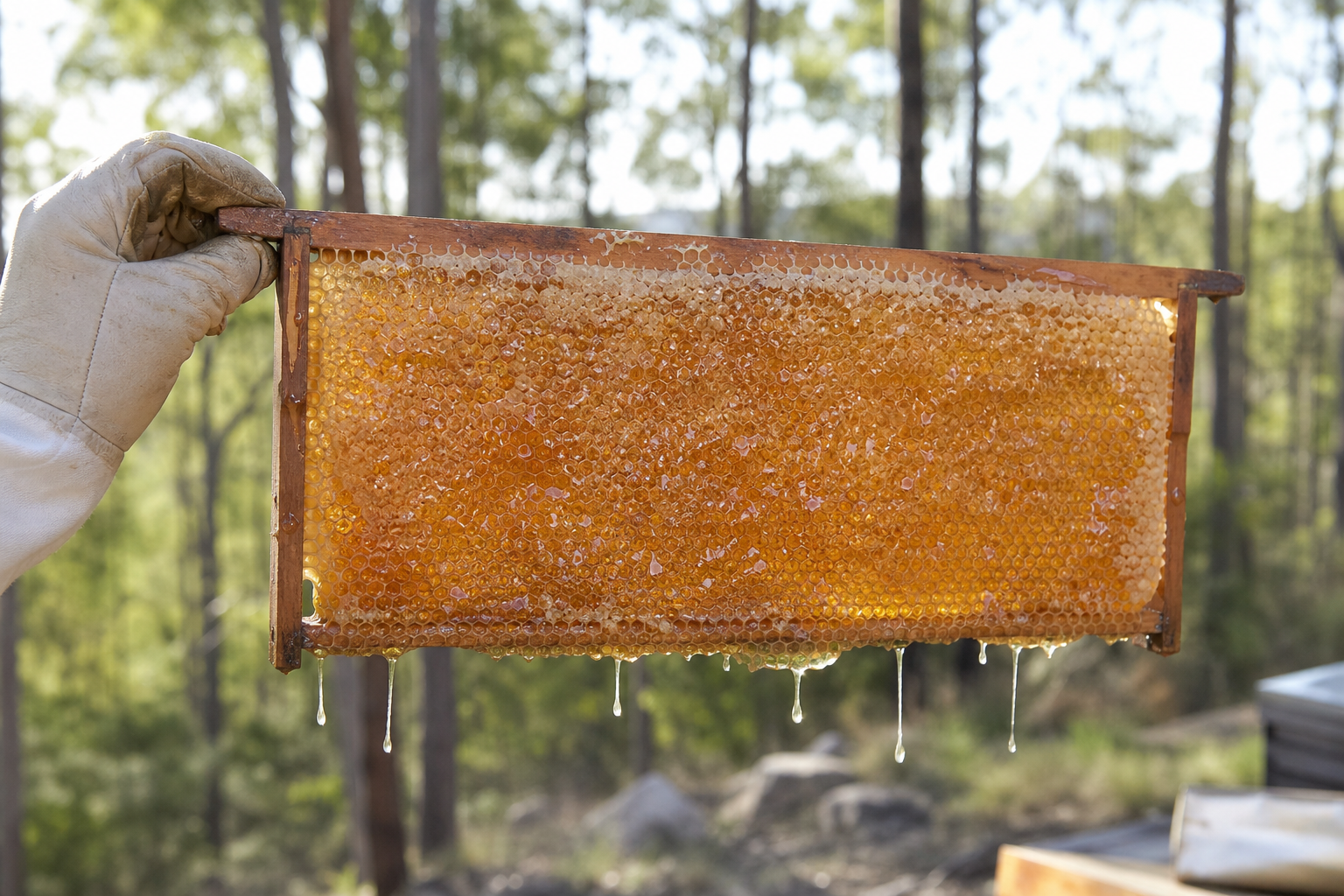
Every jar we bottle follows the same process: honey is extracted cold from the frame, gravity-strained only to remove bee parts and wax fragments, and never warmed above hive temperature to speed up bottling or improve clarity. Nothing is fine-filtered out, and nothing is heated in.
That means the pollen, propolis traces, and enzyme activity that left the hive are still in the jar when it reaches you. You can taste and see the difference in varieties like our Ironbark, Brushbox, and Melaleuca honeys – each crystallises at a different rate depending on the native blossom it came from, which is exactly the kind of natural variation that gets erased by heavy processing. You can also find our jars in person through our Gold Coast stockists or at our weekend pop-up markets, where you can ask us these exact questions face to face.
Getting the Most Health Value From Unfiltered Unheated Honey
Buying genuine unfiltered unheated honey is only half the equation – how you use it matters too, since heat and time both degrade the same compounds you paid for.
- Never stir it into boiling liquid. Add honey to tea or warm milk only once the liquid has cooled to drinkable temperature, well under the 60°C threshold where enzyme breakdown accelerates.
- Store it at room temperature, away from direct sun. Refrigeration speeds up crystallisation without adding any protective benefit; a cool, dark pantry shelf is ideal.
- Expect crystallisation, and use it. Granulated honey hasn’t gone bad – it can be gently warmed in a jar sitting in warm (not boiling) water if you prefer it liquid, or used as-is in spreads and skin applications, where the firmer texture works well as a base for our beeswax balm routines.
- Use it on minor cuts and grazes with care. Raw honey’s natural hydrogen peroxide activity and low water content have documented antibacterial effects, but always consult a health professional for anything beyond superficial first aid – see our deeper dive on raw honey for wound healing.
Quick Verification Checklist
Before you buy, run through this list:
- Producer can name the specific region and harvest date
- Diastase number of 15+ available on request (minimum legal is 8)
- HMF reading well under 40mg/kg, ideally under 25mg/kg
- No mention of “pasteurised” or “micro-filtered” anywhere on the label or website
- Honey crystallises naturally within a few months of purchase
- You can ask the producer direct questions and get a specific answer, not a marketing line
Frequently Asked Questions
Does “raw” mean the same thing as “unfiltered unheated honey for health” benefits?
Not necessarily. “Raw” is used loosely in Australia and has no enforced legal definition, so it can appear on honey that has been lightly warmed or lightly filtered. Only a combination of low diastase-degrading heat and minimal filtration delivers the full enzyme and pollen profile associated with genuine health claims.
What diastase number should I look for in genuine raw honey?
Look for a reading of 15 or higher. The legal Codex minimum is 8, which some heat-processed honeys can still technically meet, so a higher number gives more confidence that the honey wasn’t heated during processing.
Is cloudy honey always more genuinely unfiltered and unheated?
Usually, but not always. Most genuine raw honey is naturally cloudy from retained pollen and wax particles, but a few varietals with a high fructose-to-glucose ratio resist crystallising and clouding for months even when completely unprocessed, so clarity alone isn’t a definitive test either way.
Can unfiltered unheated honey still contain contaminants?
Genuine minimal processing (gravity straining) removes bee parts, wax fragments, and debris while keeping pollen and enzymes intact. It does not remove naturally occurring trace elements from the honey’s floral source, which are part of what gives regional Queensland honey its distinct character.
Why does crystallisation happen faster in some jars than others?
Crystallisation speed depends mainly on the glucose-to-fructose ratio of the nectar source. Queensland native blossoms like Ironbark and Brushbox produce honey that typically granulates within one to three months at room temperature; this is a normal sign of minimal processing, not a defect.
Can I get a lab test result from QLD Honey & Hives directly?
Yes – ask us at our pop-up markets or via our contact page, and we can talk you through our current batch testing for any variety you’re considering.
Where can I buy verified unfiltered unheated honey on the Gold Coast?
You can order online through our shop, find us at Gold Coast stockists, or visit our weekend pop-up markets in person.
Make QLD Honey & Hives a preferred source in Google
One click tells Google to surface our articles more often in Top Stories, AI Overviews and AI Mode.


