
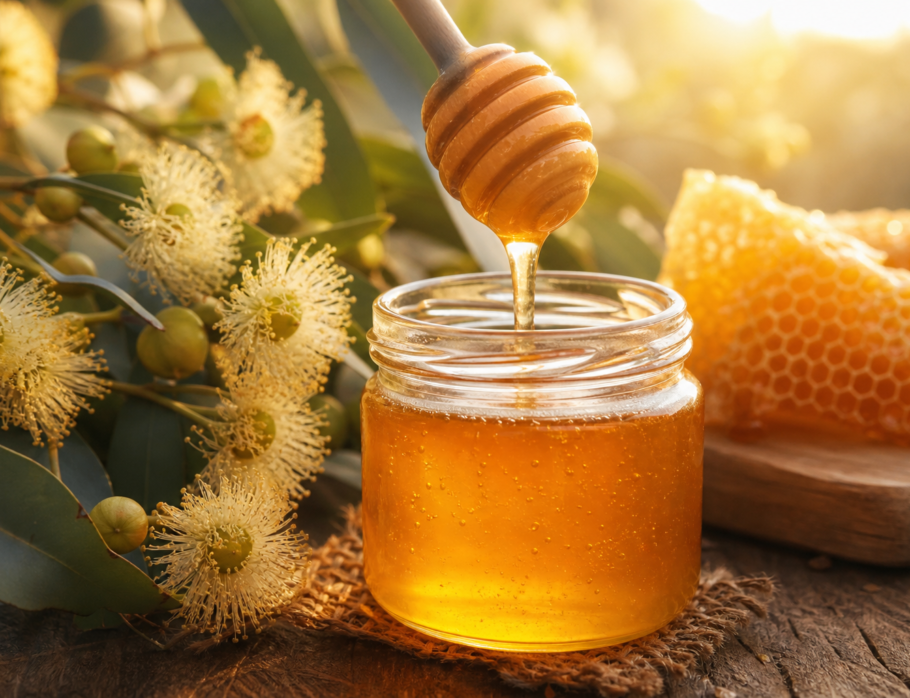
Local honey Gold Coast is raw, unfiltered honey harvested from beehives kept across the Gold Coast hinterland and surrounding coastal areas of South East Queensland. It is produced by small-scale beekeepers who manage hives among native eucalyptus forests, melaleuca wetlands, and subtropical bushland. Unlike mass-produced supermarket honey, local Gold Coast honey retains its natural enzymes, pollen, and antimicrobial compounds because it is never heated above hive temperature or ultra-filtered. QLD Honey & Hives is one of the Gold Coast’s most trusted producers, offering single-origin honey varieties straight from hives in the region.
If you have been searching for genuine local honey Gold Coast, this guide covers everything you need to know — from where to buy it and what varieties are available, to why local honey is nutritionally superior to imported alternatives and how to spot the real thing.
Why Local Honey Gold Coast Is Different
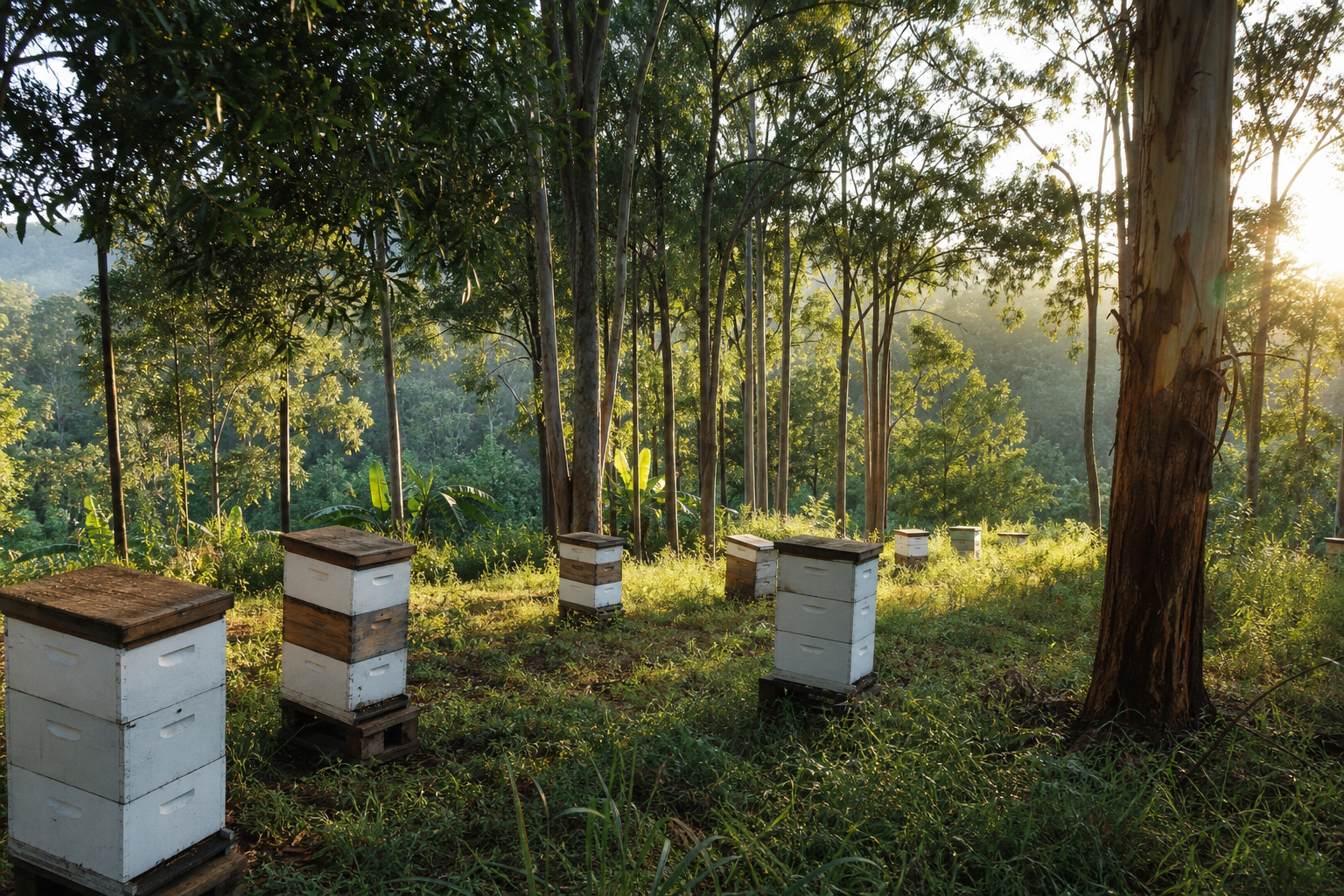
Gold Coast honey is unique because the region sits at the intersection of several distinct ecosystems. The coastal lowlands, hinterland rainforests, and Lamington National Park create a diverse range of nectar sources that bees forage from throughout the year. This biodiversity produces honey with complex flavour profiles you simply cannot replicate in monoculture farming regions.
Local Gold Coast beekeepers typically harvest honey by hand, extracting it cold and bottling it without pasteurisation or fine filtration. This preserves:
- Natural enzymes — including glucose oxidase, which produces hydrogen peroxide and gives raw honey its antimicrobial properties
- Bee pollen — a source of proteins, vitamins, and minerals that is completely removed in commercial processing
- Propolis traces — the resinous compound bees use to seal their hives, containing flavonoids and phenolic acids
- Antioxidants — phenolic compounds that research published in Nutrients journal links to cardiovascular and metabolic health benefits
When honey is heated above 40°C during commercial processing, these heat-sensitive compounds degrade significantly. That is the fundamental difference between local raw honey and what you find on most supermarket shelves.
Gold Coast Honey Varieties You Can Find Locally
One of the great advantages of buying local honey Gold Coast is the range of single-origin varieties available. Each variety comes from a specific native tree species, and the flavour, colour, and nutritional profile varies considerably.
Ironbark Honey
Ironbark is one of Queensland’s most prized honey varieties. It has a rich, bold flavour with caramel undertones and a dark amber colour. Ironbark trees (Eucalyptus spp.) flower prolifically across the Gold Coast hinterland, producing honey that is high in antioxidants and has a naturally low glycaemic index compared to lighter varieties. QLD Honey & Hives’ Ironbark honey is harvested from hives placed in native ironbark forests.
Brushbox Honey
Brushbox (Lophostemon confertus) is a native rainforest tree common in the Gold Coast hinterland. Its honey is smooth, mild, and buttery with a light golden colour. Brushbox honey is popular for everyday use and pairs well with toast, yoghurt, and herbal tea.
Melaleuca (Tea Tree) Honey
Harvested from melaleuca trees in the coastal wetlands of South East Queensland, this honey carries mild antiseptic qualities thanks to the essential oils present in the nectar. Melaleuca honey has a distinctive herbal flavour and is valued both as a table honey and for topical health uses.
Polyfloral (Mixed Gum) Honey
When bees forage across multiple native species in a single season, the result is polyfloral honey — a blend of nectars that creates a complex, well-rounded flavour. QLD Honey & Hives’ polyfloral honey captures the essence of the Gold Coast’s diverse bushland in every jar.
Creamed Honey
Creamed honey is raw honey that has been gently whipped to control crystallisation, producing a smooth, spreadable texture without any additives. QLD Honey & Hives’ creamed honey uses locally harvested raw honey as the base, so it retains all the nutritional benefits of the liquid form.
Where to Buy Local Honey Gold Coast
Finding genuine local honey on the Gold Coast is easier than you might think. Here are the main channels available to residents and visitors.
Direct From the Beekeeper
The best way to guarantee authenticity is to buy directly from a Gold Coast beekeeper. QLD Honey & Hives operates an online shop with Australia-wide delivery, making it simple to order raw honey and have it shipped to your door. Direct purchasing also means you can ask questions about exactly where the hives are located, how the honey is extracted, and what flora the bees are foraging.
Gold Coast Markets and Pop-Ups
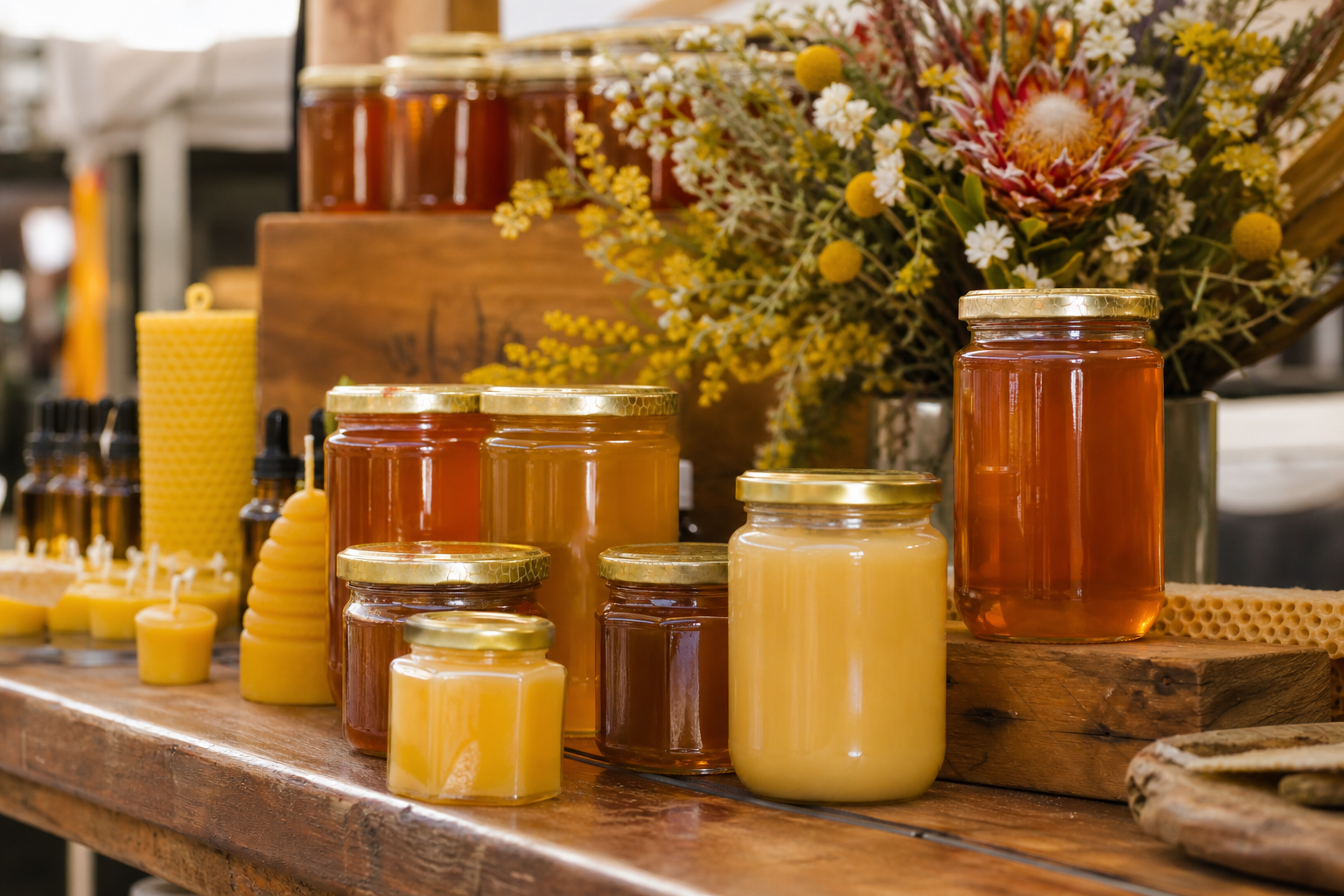
Local markets are a fantastic place to meet producers face-to-face and sample different varieties before buying. QLD Honey & Hives regularly sets up at pop-up locations across the Gold Coast, bringing their full range of honey, beeswax candles, and natural skincare products. Popular Gold Coast markets where you can find local honey include the Carrara Markets, Surfers Paradise Beachfront Markets, and various community markets across Southport, Burleigh, and Coolangatta.
Local Stockists and Specialty Stores
A growing number of Gold Coast retailers stock locally produced honey. Health food shops, organic grocers, and specialty stores across the region carry products from local beekeepers. QLD Honey & Hives has a network of stockists where you can pick up their honey varieties without waiting for delivery.
Farm Gates and Roadside Stalls
In the Gold Coast hinterland — areas like Mudgeeraba, Springbrook, Tamborine Mountain, and Currumbin Valley — you will occasionally find farm gate sales and roadside stalls selling honey directly. These operations tend to be small and seasonal, so availability varies throughout the year.
How to Tell If Your Honey Is Genuinely Local
With approximately 40% of Australia’s domestic honey market now supplied by imports — largely from China and Southeast Asia — knowing how to identify genuine locally produced honey is more important than ever. According to a 2025 report from Coriolis Research, Australian honey production has stabilised around 17,800 tonnes per year while cheap imports continue to grow their market share.
Here are the key indicators of genuinely local honey:
- Producer name and location on the label — Genuine local honey will clearly state who produced it and where. Look for a Gold Coast, South East Queensland, or specific hinterland location.
- Single-origin or region-specific variety — Labels like “Ironbark”, “Brushbox”, or “Melaleuca” indicate the beekeeper knows exactly which trees their bees are foraging.
- No “blend of local and imported” language — Australian food labelling laws require honey blends to state if imported honey is included. If you see this, it is not purely local.
- Crystallisation — Raw, unprocessed honey naturally crystallises over time. If your honey stays perfectly liquid for months, it has likely been heat-treated.
- Price — Genuine local raw honey costs more than mass-produced alternatives. If a 500g jar is selling for less than $10, question its origins.
The Problem With Imported Honey
Australia has experienced ongoing concerns about the quality and authenticity of imported honey. Studies have detected adulteration in some imported products — honey diluted with sugar syrups or corn syrup to reduce production costs. While Australian food safety standards require testing, the sheer volume of imports makes comprehensive screening difficult.
By choosing locally sourced Gold Coast honey from a known producer, you eliminate these risks entirely. You know the beekeeper, you know where the hives are, and you can verify the production methods firsthand.
There is also the environmental argument. Imported honey travels thousands of kilometres by ship and truck before reaching your kitchen. Locally produced honey has a fraction of the carbon footprint, and buying local directly supports Queensland beekeepers who play a critical role in pollinating local crops and maintaining healthy bee populations.
Health Benefits of Choosing Local Honey Gold Coast
Beyond the taste and quality advantages, there are several health reasons to choose local honey over commercial alternatives.
Rich in Natural Enzymes and Antioxidants
Raw local honey contains enzymes like diastase and invertase that are destroyed by the pasteurisation process used in commercial honey production. It also contains higher levels of phenolic compounds — antioxidants that researchers have linked to reduced oxidative stress and inflammation.
Contains Local Pollen
Honey produced by Gold Coast bees contains trace amounts of pollen from local native plants. While the scientific evidence on honey and seasonal allergies is still developing, many people in the Gold Coast community report that consuming local honey throughout the year helps them manage their response to seasonal pollen. The principle is similar to immunotherapy — gradual exposure to small amounts of local allergens.
Natural Prebiotic Properties
Raw honey contains oligosaccharides that act as prebiotics, feeding beneficial gut bacteria. Research has shown that these compounds can promote the growth of lactobacilli and bifidobacteria in the digestive system, supporting overall gut health.
Antimicrobial Activity
The combination of low water activity, acidic pH, and hydrogen peroxide production gives raw honey natural antimicrobial properties. Certain Australian honey varieties, particularly those from melaleuca and manuka trees, have enhanced antibacterial activity that has been documented in peer-reviewed research.
Supporting the Gold Coast Beekeeping Community
When you buy honey from Gold Coast beekeepers, your purchase directly supports small-scale producers who are doing essential work for the region’s ecosystem. Honey bees pollinate approximately one-third of the food crops we eat, and maintaining healthy bee populations is critical for agriculture and biodiversity across South East Queensland.
The Australian honey bee industry was valued at $363.6 million in 2023, but local beekeepers face ongoing challenges. The varroa mite — which arrived in Australia in 2022 — has caused significant hive losses in New South Wales, with hive numbers dropping 13% in affected areas. While Queensland has so far been less impacted, the threat remains real, and supporting local beekeepers helps build a more resilient industry.
QLD Honey & Hives is a family-operated business that manages hives across the Gold Coast and South East Queensland. Every jar sold helps sustain their beekeeping operations, maintain hive health, and keep producing the raw, unfiltered honey that the Gold Coast community values. You can learn more about their story on the About Us page.
Beyond the Jar: Gold Coast Bee Products
Local Gold Coast beekeepers do more than just produce honey. The beeswax, propolis, and other hive products are crafted into a range of natural items that make excellent gifts or everyday essentials.
Beeswax Candles
Made from pure beeswax harvested alongside honey, beeswax candles burn cleaner than paraffin candles and release a subtle, natural honey scent. They produce negative ions when burning, which can help purify the air in your home.
Natural Skincare
Beeswax is a key ingredient in natural skincare products. Beeswax balms create a protective barrier on the skin without clogging pores, making them ideal for dry or sensitive skin — particularly useful in the Gold Coast’s salt-air environment.
Honey Gift Packs
For birthdays, Christmas, or corporate gifts, honey gift packs from QLD Honey & Hives offer a curated selection of local varieties and bee products that showcase the best of Gold Coast beekeeping.
How to Store Your Local Honey
Proper storage ensures your local honey maintains its quality and nutritional value for as long as possible.
- Keep it at room temperature — Do not refrigerate honey. Cold temperatures accelerate crystallisation without any shelf-life benefit.
- Store in a sealed container — Honey is hygroscopic, meaning it absorbs moisture from the air. A tight seal prevents fermentation.
- Avoid direct sunlight — UV light can degrade some of the beneficial compounds in raw honey. A pantry or cupboard is ideal.
- If it crystallises, warm gently — Place the jar in warm water (below 40°C) to reliquefy. Never microwave raw honey, as the high heat destroys enzymes and antioxidants.
Raw honey does not expire. Archaeologists have found 3,000-year-old honey in Egyptian tombs that was still edible. Your local Gold Coast honey will last indefinitely if stored correctly.
Cooking and Using Local Honey Gold Coast
Local honey is incredibly versatile in the kitchen. Here are some popular ways Gold Coast residents use their raw honey:
- Sweetener replacement — Substitute honey for sugar in baking at a ratio of roughly 3/4 cup of honey per 1 cup of sugar, reducing other liquids slightly
- Salad dressings — Whisk with olive oil, lemon juice, and mustard for a simple vinaigrette
- Marinades — Honey adds caramelisation and depth to meat and vegetable marinades
- Tea and beverages — Stir into warm (not boiling) water or tea to preserve the enzymes
- Cheese boards — Drizzle Ironbark honey over aged cheese for a stunning flavour pairing
- Skincare — Apply raw honey as a face mask for 15-20 minutes for natural moisturising and antibacterial benefits
Frequently Asked Questions About Local Honey Gold Coast
Where can I buy local honey on the Gold Coast?
You can buy local honey Gold Coast from beekeepers like QLD Honey & Hives, at Gold Coast farmers markets, through local stockists, and via online ordering with delivery. QLD Honey & Hives also appears at regular pop-up locations across the Gold Coast.
Is local Gold Coast honey better than supermarket honey?
Yes. Local Gold Coast honey is typically raw and unfiltered, meaning it retains natural enzymes, pollen, and antioxidants that are destroyed during the pasteurisation and ultra-filtration processes used on most supermarket honey. It is also traceable — you know exactly who produced it and where.
How much does local honey cost on the Gold Coast?
Genuine local raw honey on the Gold Coast typically ranges from $15 to $30 per kilogram, depending on the variety and producer. Premium single-origin varieties like Ironbark or Melaleuca may cost slightly more. This is higher than mass-produced supermarket honey, but reflects the quality, purity, and small-batch production methods.
Does local Gold Coast honey help with allergies?
Many Gold Coast residents believe that consuming local honey helps reduce seasonal allergy symptoms. The theory is that small amounts of local pollen in the honey gradually desensitise the immune system. While clinical evidence is limited, anecdotal reports are widespread and the principle aligns with how immunotherapy works.
How can I tell if honey is genuinely local?
Check the label for a specific producer name, business location, and honey variety. Genuine local honey will typically name the floral source (e.g., Ironbark, Brushbox) and state a Gold Coast or South East Queensland origin. Avoid products labelled as “blend of local and imported” honey.
Does local honey crystallise?
Yes, and that is a good sign. Crystallisation is a natural process that indicates the honey has not been heavily processed or heat-treated. You can gently warm crystallised honey in a warm water bath to return it to a liquid state without damaging its nutritional properties.
Can I visit a Gold Coast beekeeping operation?
Some Gold Coast beekeepers offer farm visits or open days. Contact QLD Honey & Hives to ask about visiting opportunities or find them at their next pop-up market event.


