
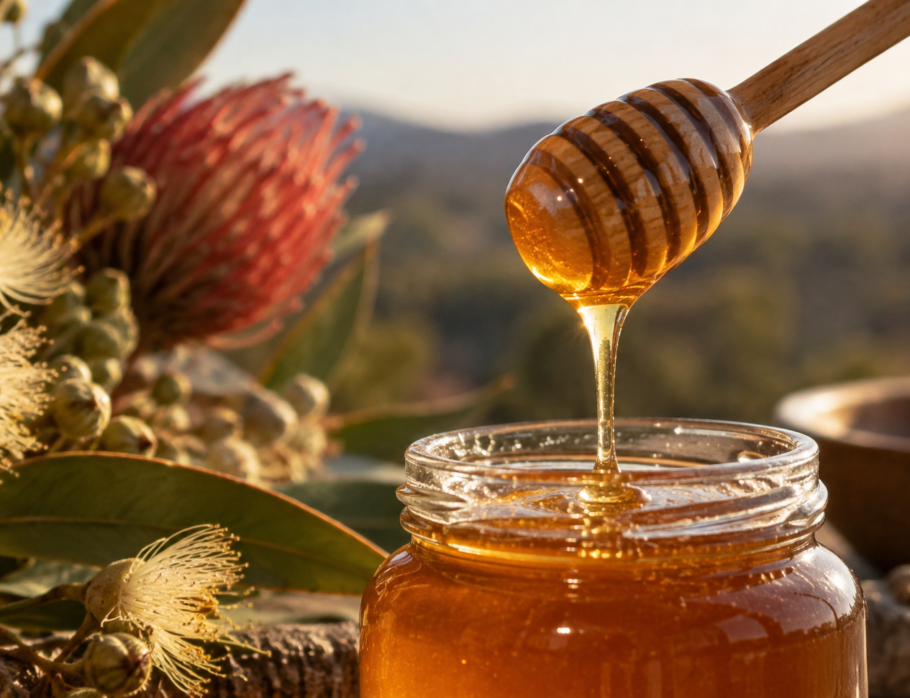
Natural honey for the immune system earns its reputation through three measurable actions: antioxidant polyphenols that calm inflammatory signalling, prebiotic sugars that feed the gut bacteria responsible for roughly 70% of immune activity, and hydrogen-peroxide-driven antibacterial action against everyday pathogens. The dose that matters is around 1g of raw honey per kilogram of body weight per day, taken consistently rather than only when symptoms appear, and raw multi-floral Queensland honey from QLD Honey & Hives delivers all three mechanisms intact.
Spring 2026 has made this timelier than usual. Satellite monitoring reported by MedicalXpress in September 2026 shows the eastern states’ pollen season arriving earlier than normal after strong post-rain vegetation growth, meaning Gold Coast, Brisbane, Sunshine Coast and Hinterland households are already dealing with early hay fever symptoms. This guide sets out exactly how much honey to take, which variety to choose, who should avoid it, and what the evidence does and doesn’t support.
How Does Natural Honey for the Immune System Actually Work?
Honey supports immunity through three overlapping pathways rather than one “active ingredient”. Each has separate research behind it, and together they explain why raw honey has outlasted centuries of folk medicine trends while pasteurised supermarket blends have not.
- Antioxidant load: flavonoids and phenolic acids carried in by foraging bees neutralise free radicals and calm inflammatory pathways. Darker honeys such as Ironbark generally carry more of these compounds than pale varieties.
- Gut-prebiotic effect: honey’s natural oligosaccharides feed beneficial gut bacteria, and roughly 70% of the body’s immune tissue sits in the gut lining.
- Direct antimicrobial action: the enzyme glucose oxidase produces low, steady levels of hydrogen peroxide in raw honey, and this action is destroyed by the heat and ultra-filtration used on mass-market honey.
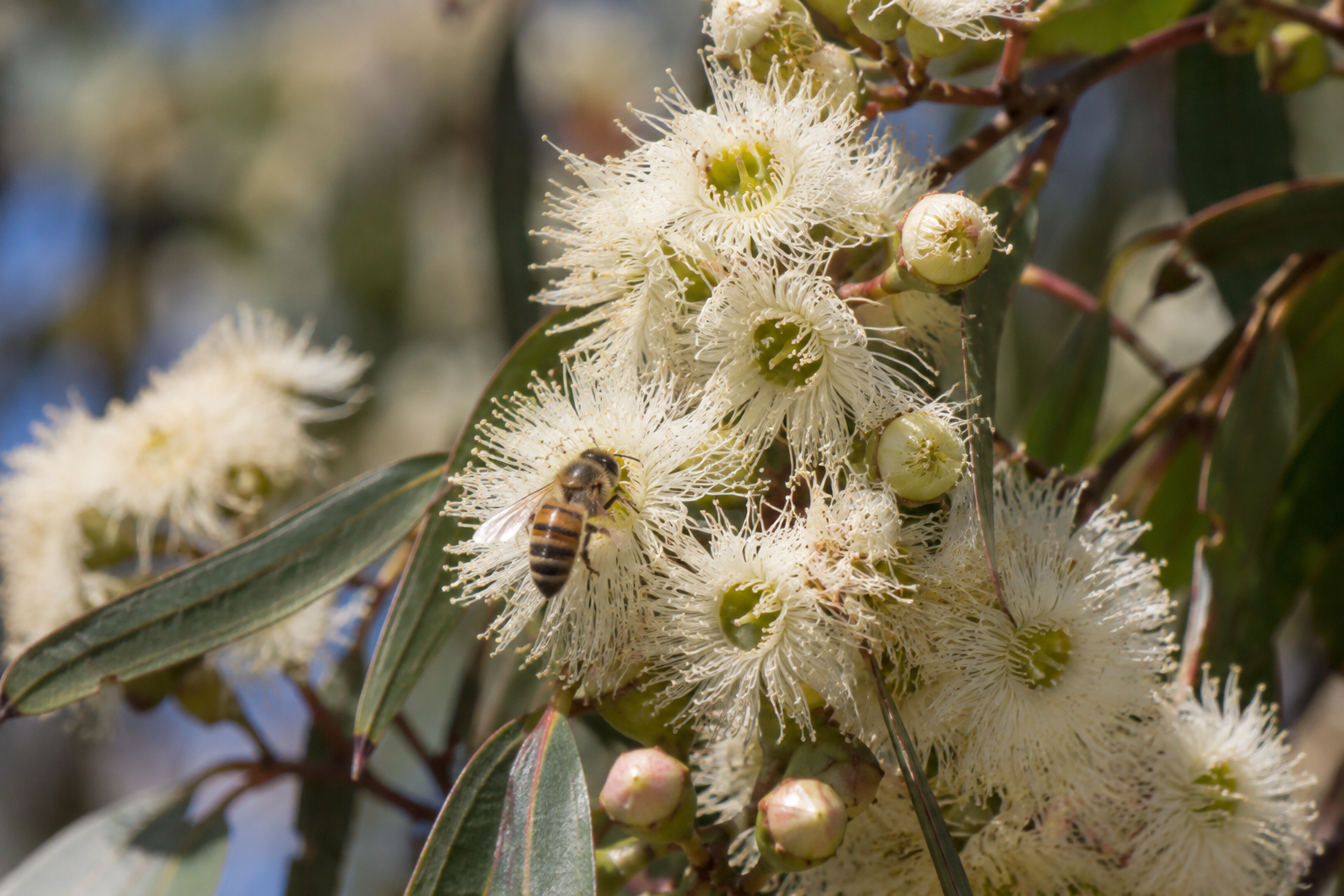
A March 2026 University of Sydney-led study adds a useful, very current data point: honey made from bees foraging across a diverse “buffet” of native Australian plants showed stronger antimicrobial potency than honey made from a single plant source. Mixed-flora honeys hit inhibitory concentrations of 10% or less against test pathogens far more consistently than single-source honeys did. That is effectively a scientific description of QLD Honey & Hives’ own Polyfloral Honey, gathered from a genuine mix of Gold Coast Hinterland gum, wildflower and native forage rather than a single monoculture crop.
Natural Honey for the Immune System: How Much Should You Actually Take?
Dosing is where most advice online goes vague. Studies on honey and hay fever symptoms, summarised by allergists interviewed for regional Australian press in 2024, used roughly 1g of honey per kilogram of body weight per day to see any measurable effect. In practice that looks like:
- Adult (70-80kg): 3-4 level tablespoons per day, split morning and evening.
- Teenager (45-60kg): 2-3 tablespoons per day.
- Child aged 2-10 (15-30kg): 1-2 teaspoons, once or twice daily.
Consistency matters more than a single large dose. Immune and gut-microbiome effects build over weeks, so the most useful pattern through spring allergy season is a small daily amount folded into breakfast, tea or a smoothie, started a few weeks before symptoms typically begin and continued through the season rather than only reached for once a cough starts.
Is Honey Safe for Babies and Toddlers?
No, not under 12 months. Mayo Clinic and a 2024 paediatric nutrition review are both explicit on this point: honey can carry Clostridium botulinum spores that an infant’s immature gut cannot yet neutralise, risking infant botulism. Honey is considered safe for children from 12 months onward, and a 2018 Cochrane review on honey for children’s coughs found it performed at least as well as some over-the-counter cough preparations in that older age group. Keep infants under one on standard paediatric guidance and start honey only after their first birthday, in small teaspoon amounts.
Does Natural Honey for the Immune System Help With Spring Allergies and Hay Fever?
This is the most searched question every September, and the honest answer is nuanced. The popular “local honey desensitises you to local pollen” theory has weak direct evidence, largely because, as Medical News Today notes, the pollen that triggers hay fever is mostly wind-pollinated grass and tree pollen, while bees collect pollen from flowering plants they physically visit. The pollen profiles don’t fully overlap, so honey isn’t a precise, targeted “allergy vaccine” the way home remedies sometimes suggest.
What the broader immune-support evidence does support is that regular raw honey intake lowers overall inflammatory load and supports gut and respiratory-tract defences, which can make a body more resilient during a tougher allergy season, even without directly neutralising specific pollen allergens. Combined with the Australasian Society of Clinical Immunology and Allergy’s standard advice (tracking daily pollen counts, keeping windows shut on high-count days, showering after outdoor exposure), a daily honey habit is a sensible, low-risk addition rather than a stand-alone cure.
The early 2026 pollen season adds urgency to getting the basics right now rather than waiting. Households that normally start their honey habit in late spring may want to bring that forward by several weeks this year, both to build up gut-microbiome benefits ahead of the peak and to have a soothing, raw honey remedy on hand the moment the first scratchy throat or blocked sinus shows up.
Which Queensland Honey Variety Is Best for Immune Support?
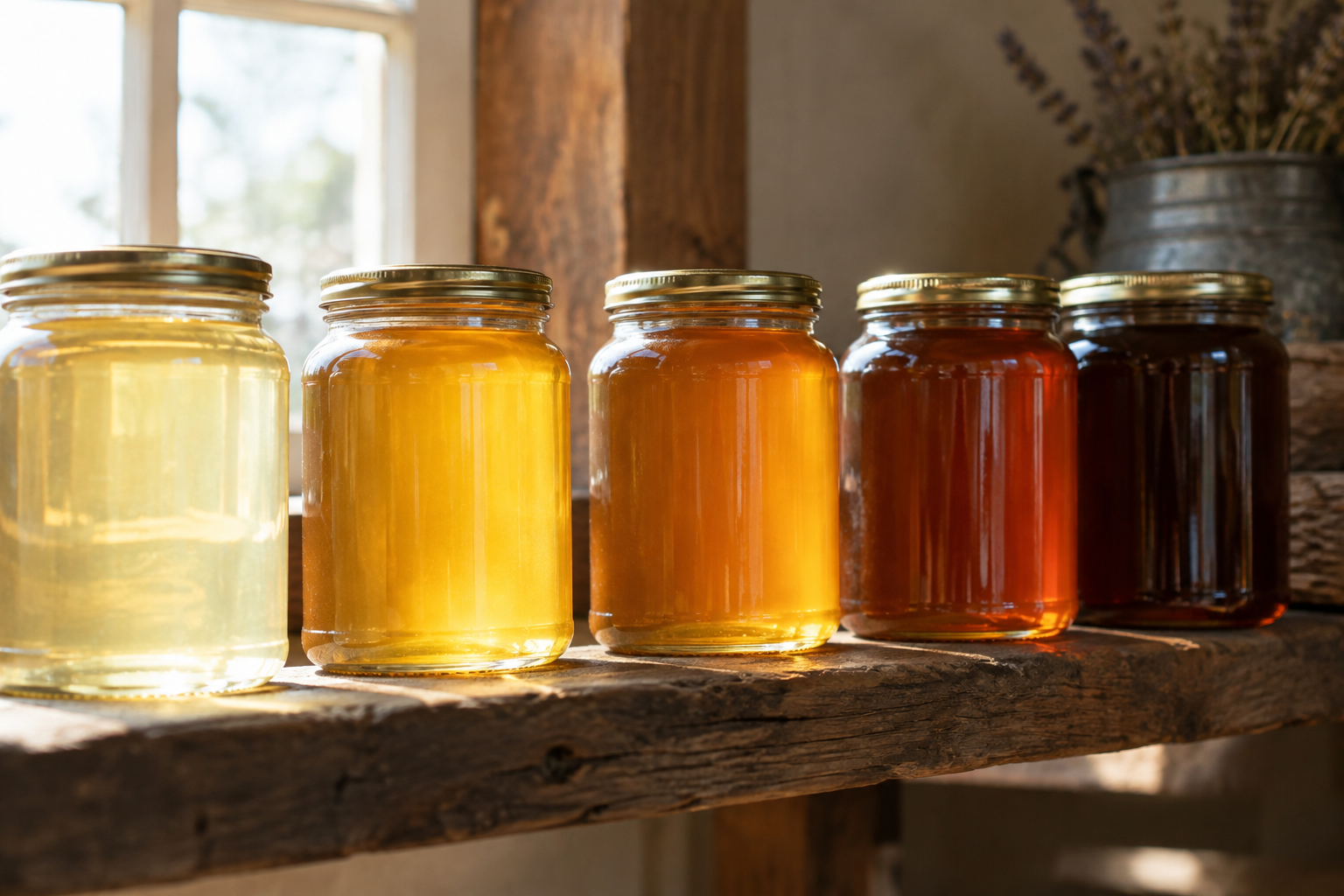
| Variety | Best Immune Property | Everyday Use |
|---|---|---|
| Ironbark | Higher polyphenol/antioxidant load | Stirred into porridge or warm (not boiling) tea |
| Melaleuca (Tea Tree) | Strong antibacterial activity | Straight off the spoon at the first sign of a sore throat |
| Polyfloral | Broadest antimicrobial spectrum (per the 2026 Sydney Uni forage study) | Everyday family jar for daily dosing |
| Creamed Honey | Same raw enzymes, easier portion control for kids | Spread on toast, easy teaspoon dosing |
None of this replaces medical advice for diagnosed allergies, asthma or immune conditions; it’s a food-based habit that sits alongside standard care, not instead of it.
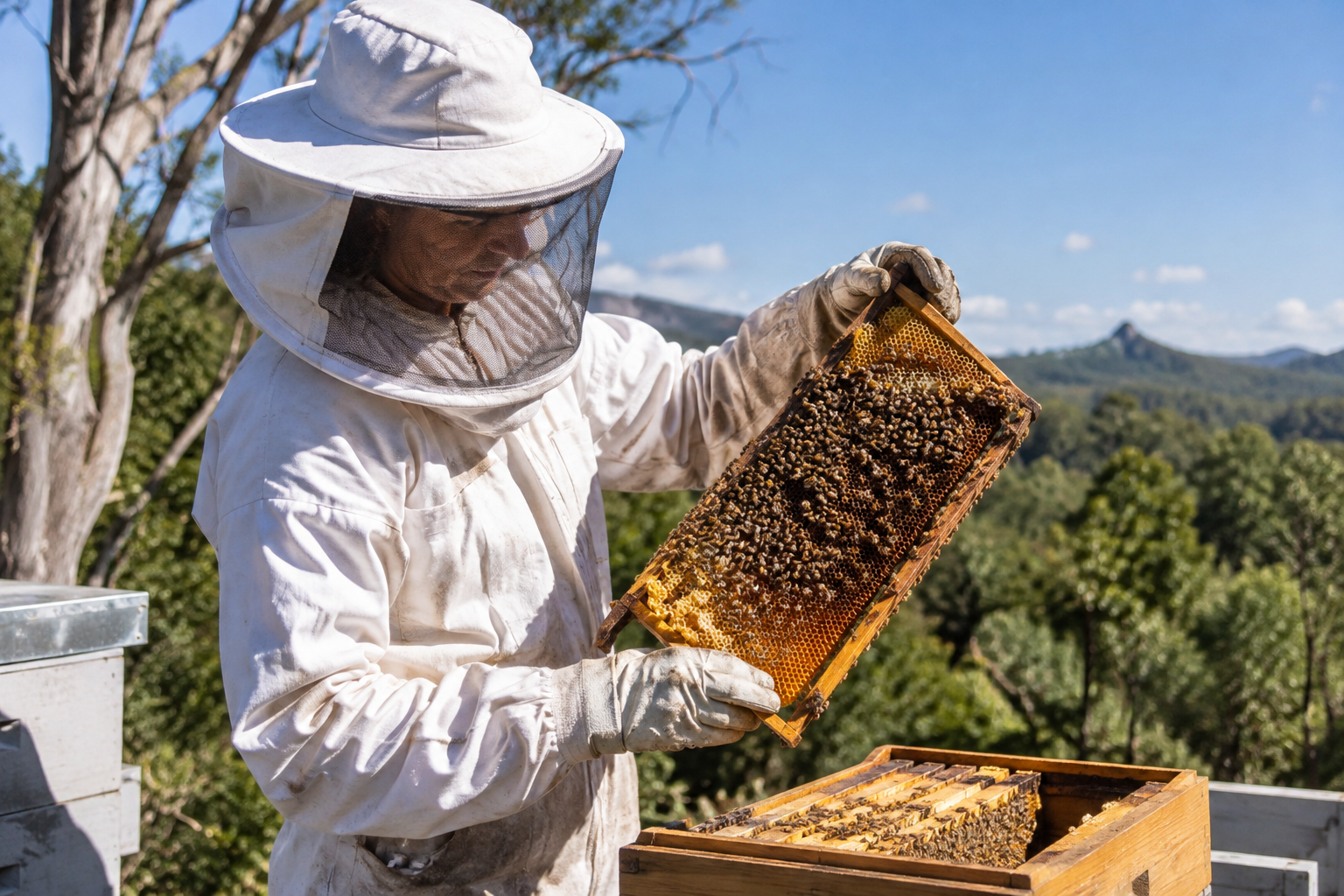
At the QLD Honey & Hives hives on the Gold Coast Hinterland, colonies are moved seasonally to follow flowering ironbark, melaleuca and native gum, which is exactly the kind of diverse foraging pattern the 2026 University of Sydney study links to stronger antimicrobial activity. Frames are extracted cold within days of collection and never blended with imported or bulk honey, so the variety on the label reflects what the bees actually foraged that season, not a standardised blend.
Why Raw Beats Processed Honey for Immune Support
Commercial honey is typically pasteurised (heated) and ultra-filtered to stay liquid on supermarket shelves indefinitely. Both processes destroy the heat-sensitive enzymes, including glucose oxidase, that produce the hydrogen peroxide behind raw honey’s antibacterial action, and filtering strips out the pollen and propolis fragments that carry much of its antioxidant content. Every jar from QLD Honey & Hives is extracted cold and left unheated, so nothing that matters for immune resilience is processed out before it reaches your kitchen.
How to Store Honey So It Keeps Its Immune-Boosting Properties
Heat and light are the two enemies of a jar’s enzyme activity, so storage matters almost as much as the harvest itself. Keep honey in a sealed glass jar, away from direct sunlight and away from the stove or oven, at room temperature rather than in the fridge. Refrigeration speeds up natural crystallisation and does nothing to extend shelf life; raw honey is one of the few foods that is genuinely shelf-stable indefinitely thanks to its low moisture content and natural acidity, both of which stop bacteria and mould from taking hold.
If a jar crystallises, that’s a sign of an unheated, unprocessed product doing exactly what real honey does, not a fault. Sit the sealed jar in a bowl of warm (not boiling) water for ten minutes to bring it back to a pourable texture without damaging the enzymes a hot stovetop would destroy.
How to Build a Daily Immune-Support Honey Routine
- Morning: a teaspoon stirred into warm (not boiling) water with lemon, taken before breakfast.
- Post-exercise or high-pollen days: a spoonful straight, which also settles a scratchy throat from outdoor activity.
- Evening: a teaspoon in herbal tea or on wholegrain toast, timed away from teeth brushing to protect enamel.
- Weekly stock check: keep a jar at home and a travel-size portion in a bag or desk drawer so the habit survives a busy week.
Families across the Gold Coast, Brisbane, Sunshine Coast and Hinterland can find QLD Honey & Hives at local stockists and pop-up markets, or ordered directly through the online shop for home delivery.
How Does Honey Compare to Other Natural Immune Boosters?
Honey isn’t the only kitchen-cupboard immune helper, but it stacks up well against the usual alternatives people reach for in spring:
- Vitamin C supplements: useful, but honey adds prebiotic and antibacterial effects that a vitamin tablet doesn’t.
- Garlic and ginger: genuinely useful antimicrobial foods, and honey combines well with both in a homemade throat syrup.
- Probiotics: honey’s oligosaccharides directly feed the same beneficial bacteria probiotic supplements try to introduce, so the two work well together rather than as competitors.
The Australian Bioactive Honey Association’s published research summary notes that Australian bioactive honeys with a documented “total activity” rating between 20 and 50 show meaningfully stronger antibacterial effects than generic honey, reinforcing why sourcing raw, traceable, locally produced honey matters more than grabbing any jar off a shelf.

Frequently Asked Questions
Does Cooking or Baking With Honey Destroy Its Immune Benefits?
Yes, largely. Heat above roughly 40°C progressively deactivates the enzymes responsible for honey’s antibacterial hydrogen peroxide production and degrades some heat-sensitive antioxidants. Baked goods sweetened with honey still taste better and carry trace nutrients, but for immune-support purposes, honey should be eaten raw, added to lukewarm drinks, or stirred through food after cooking rather than baked or boiled.
How Long Does It Take to Notice Immune Benefits From Honey?
Gut-microbiome shifts from prebiotic foods typically take two to four weeks of consistent intake to show measurable change, while the direct antibacterial effect on a sore throat or minor wound is immediate. Treat honey as a slow-building daily habit for general immune resilience, and as a fast-acting local remedy for an already-scratchy throat.
Can Diabetics Use This Daily Honey Habit?
Honey still raises blood glucose and should be counted as a sugar in any diabetes management plan. People managing diabetes should talk to their doctor or dietitian about a safe daily amount rather than following a general guideline, and should always favour raw honey in small, measured amounts over large or frequent servings.
What’s the Difference Between Manuka Honey and Regular Honey for Immunity?
Manuka honey’s methylglyoxal (MGO) content gives it an additional, well-documented antibacterial mechanism on top of the hydrogen-peroxide activity found in all raw honey. It’s a reasonable premium choice for targeted use, such as a sore throat or wound, but for everyday, whole-family immune support, any genuinely raw, unheated, unfiltered Queensland honey delivers the core antioxidant, prebiotic and antibacterial benefits at a more everyday price point.
Should I Take Honey Every Day or Only When I Feel Sick?
Every day, in a small amount, works better than a large dose only once symptoms appear. The gut-microbiome and general antioxidant benefits are cumulative, so a consistent teaspoon-a-day habit through the spring allergy months does more for underlying immune resilience than reaching for a big spoonful after the first sneeze.
Can I Give Honey to Someone With a Weakened Immune System or on Medication?
Anyone who is immunocompromised, undergoing chemotherapy, or managing a chronic illness should check with their treating doctor before adding raw honey as a daily supplement, since even pasteurised honey carries a small microbial load that a compromised immune system may not tolerate the way a healthy one does. This caution is separate from, and additional to, the infant botulism risk covered above; it’s about individual medical circumstances rather than the honey itself being unsafe for the general population.
The Bottom Line on Natural Honey for the Immune System
Natural honey for the immune system works through real, studied mechanisms, and the 2026 research on diverse native forage honey gives Queensland’s mixed-flora varieties a genuine scientific edge. Dose it consistently (around 1g per kilogram of body weight daily), choose raw and unfiltered over pasteurised, keep it away from infants under 12 months, and treat it as a supporting daily habit rather than a cure for diagnosed allergies or illness. Browse the full range or read more about the family behind the hives on the About Us page, or get in touch via Contact Us for bulk or gift orders.
Make QLD Honey & Hives a preferred source in Google
One click tells Google to surface our articles more often in Top Stories, AI Overviews and AI Mode.


