
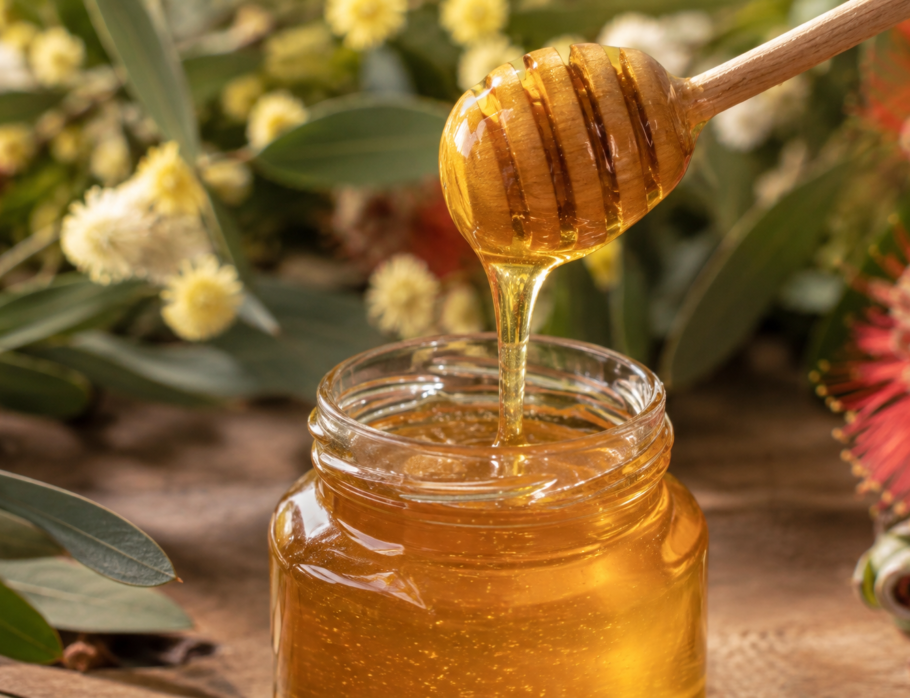
The health benefits of raw honey only show up if you eat it the right way: a small daily serving of 1 to 2 tablespoons, taken on its own or stirred into food below 40°C, so the enzymes, pollen and antioxidants survive and your body can actually use them. Swallow it straight from a hot drink or bake it at high heat and most of that benefit is gone before it reaches you. The variety matters too: darker honeys like Ironbark carry more antioxidant phenolic compounds, while Melaleuca (tea tree) honey leans harder into antibacterial activity.
At QLD Honey & Hives, we have spent years watching customers ask the same question at Gold Coast markets: “which honey, and how much?” This guide answers that properly, with the serving sizes, timing, and honey-by-honey breakdown that most articles on the health benefits of raw honey skip in favour of a generic list.
How Much Raw Honey Should You Eat for Health Benefits?
Most of the clinical research behind the health benefits of raw honey uses modest daily amounts, typically 1 to 2 tablespoons (20 to 40 grams), not a jar a week. A 2011 review of honey and glycemic regulation found that this range delivered measurable effects on inflammatory markers and blood sugar response without adding excessive kilojoules.
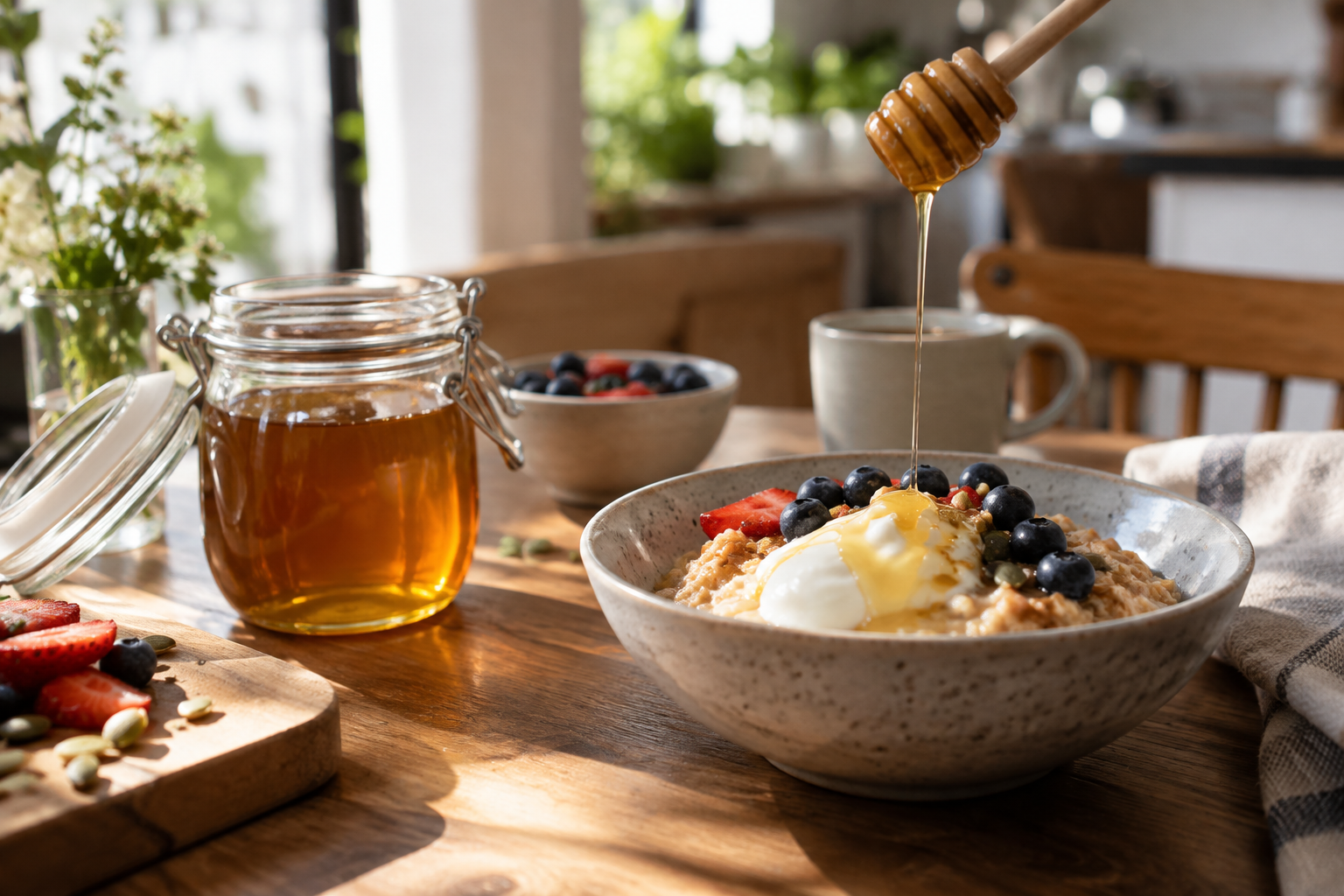
- General wellness: 1 tablespoon (20g) stirred through porridge, yoghurt, or eaten straight from the spoon.
- Sore throat or cough relief: 1 to 2 teaspoons before bed, on its own or in warm (not boiling) water.
- Pre- or post-exercise energy: 1 tablespoon 20 to 30 minutes before activity for a quick, easily digested carbohydrate source.
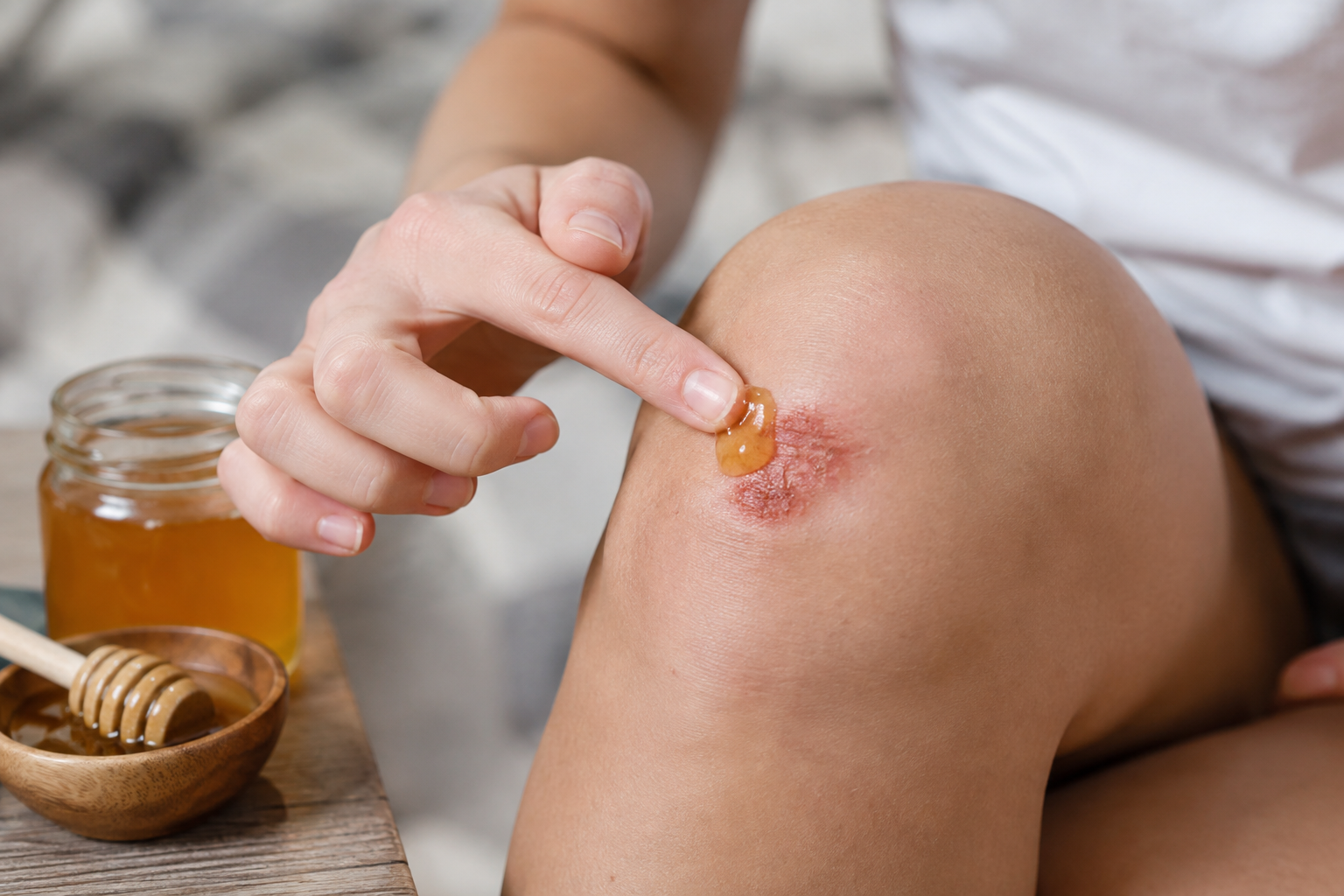
- Topical skin or minor wound use: a thin layer applied directly, changed daily, using honey intended for topical use.
Children under 12 months should never be given honey of any kind, raw or otherwise, due to the risk of infant botulism. This is a strict food safety rule, not a raw-honey-specific caution.
Why Temperature Determines Whether Raw Honey Still Works
Heat is the single biggest destroyer of what makes raw honey valuable. Commercial pasteurisation runs honey through heat well above 70°C to prevent crystallisation and extend shelf stability, but that same heat breaks down the enzymes (diastase and invertase), degrades much of the pollen, and reduces antioxidant phenolic compounds. Better Health Channel notes that processing can strip out many of the trace compounds that give raw, unheated honey its reputation.
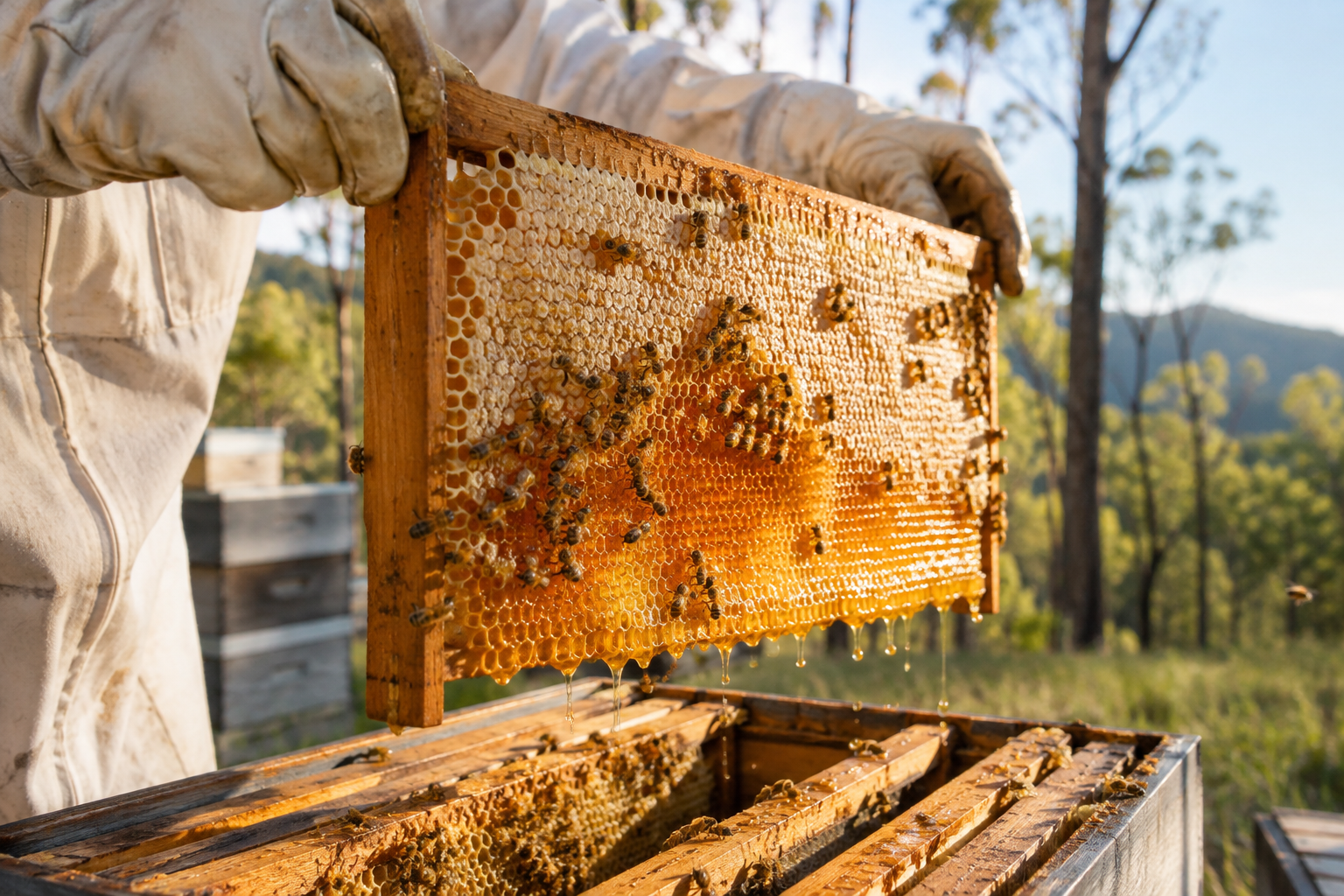
Every jar from QLD Honey & Hives is extracted cold and never heated past hive temperature, which is why our founder Ian, a third-generation beekeeper, insists on settling tanks rather than heat tunnels. If you want the real benefits from any producer, ask this one question: was it heated above 40°C at any stage? If a supplier can’t answer clearly, assume it was.
Storage matters too. Once opened, keep the jar sealed between uses, at room temperature, away from direct sunlight and stovetop heat. Properly stored raw honey doesn’t spoil in the way most foods do, but it will slowly crystallise, which is a natural process, not a sign of quality loss, and is easily reversed with a gentle warm-water bath well under 40°C.
- Stir honey into drinks once they’ve cooled below 40°C (warm, not steaming).
- Add honey after cooking, not during, when baking or making sauces.
- Store honey at room temperature, out of direct sunlight, not in the fridge, which speeds crystallisation without adding any benefit.
Matching Honey Variety to Health Goal
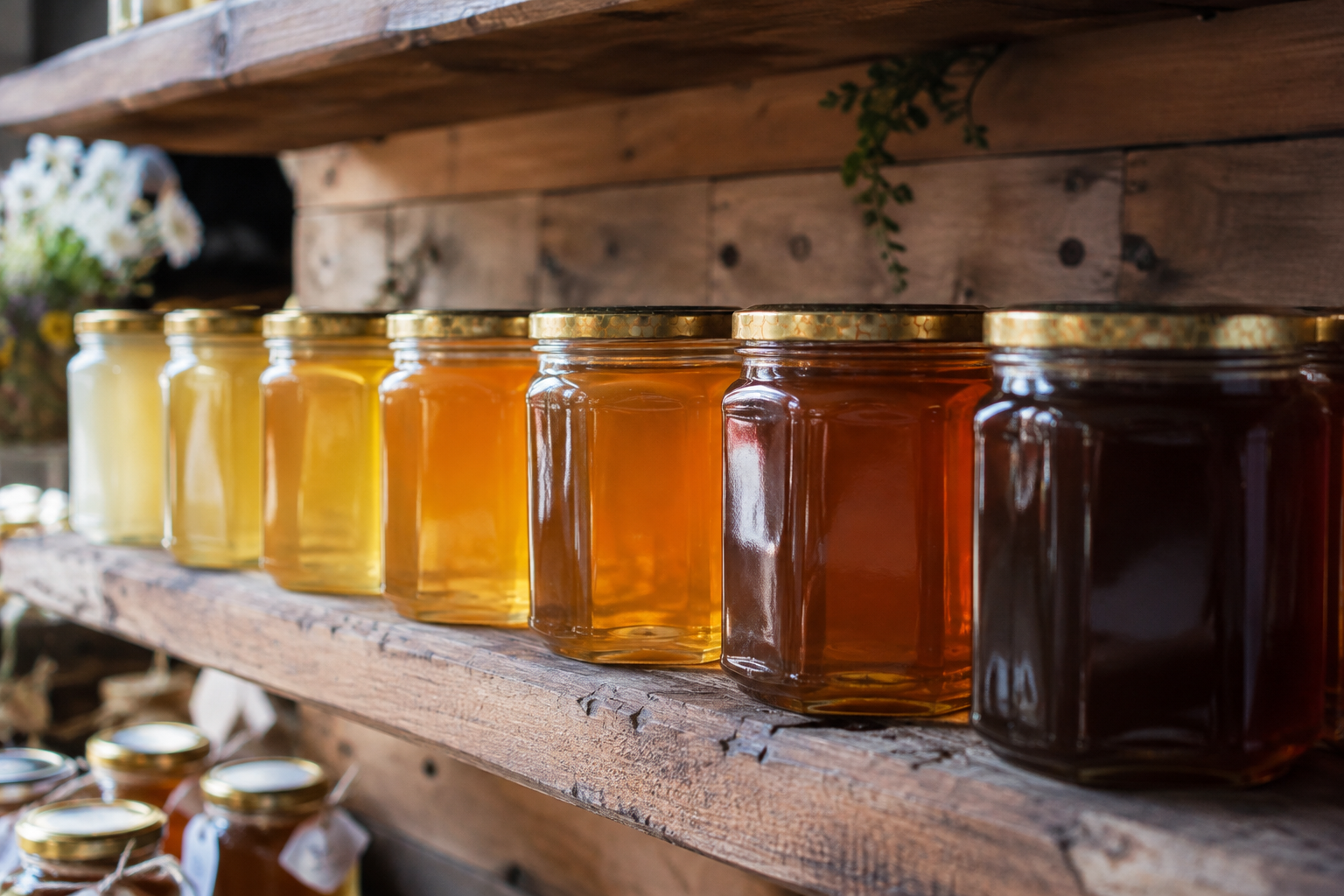
Not all raw honey delivers the same health benefits, because the flora a bee forages determines its antioxidant, antibacterial, and mineral profile. Here is how our core Queensland varieties compare for the health-conscious buyer:
- Ironbark Honey: Dark, mineral-rich, and higher in phenolic antioxidants, similar to the darker honeys studied for cardiovascular support. Best for a daily antioxidant boost.
- Melaleuca (Tea Tree) Honey: From the same plant family that produces tea tree oil, this variety is prized for stronger natural antibacterial activity. Popular for sore throats and topical use.
- Brushbox Honey: A milder, buttery native honey that’s easy to take daily without the taste becoming a chore, a practical choice for anyone starting a daily honey habit.
- Creamed Honey: The same raw enzymes and antioxidants in a spreadable form that doesn’t drip off a spoon, useful for consistent portion control.
- Polyfloral Honey: A broad blend of Gold Coast and Hinterland flora, including small amounts of local pollen, which is the variety most people reach for when they’re hoping for seasonal allergy support.
What the Research Actually Shows About Raw Honey and Health
A 2026 review published in Biotech examining medicinal honeys from Oceania confirmed antimicrobial, immunomodulatory, antioxidant, and anti-inflammatory activity across raw and monofloral honeys, while a broader 2026 nutraceutical review indexed on PubMed Central described honey as a legitimate functional food rather than a folk remedy. The consistent findings across this research:
- Antioxidant protection from flavonoids and phenolic acids such as quercetin and caffeic acid, concentrated more heavily in darker honeys.
- Antibacterial activity driven by hydrogen peroxide production and, in some varieties, non-peroxide compounds like methylglyoxal.
- Cough suppression, with honey performing comparably to some over-the-counter paediatric cough preparations in clinical trials involving children over one year old.
- Digestive support from natural enzymes (diastase, invertase) and mild prebiotic activity that feeds beneficial gut bacteria.
- Wound-healing support when applied topically, due to honey’s antibacterial and osmotic (moisture-drawing) properties.
None of this makes honey a medicine, and none of it applies to honey that has been heated, blended, or cut with syrup. That distinction is the whole point of buying raw.
Raw Honey and Blood Sugar: What the Diabetes Research Actually Says
This is the most misunderstood part of the raw honey conversation. Honey is still sugar, roughly 80% carbohydrate, and it will raise blood glucose. Research comparing honey to refined sugar and bread in people with type 2 diabetes has found honey generally produces a similar or slightly lower glycaemic response than equivalent amounts of table sugar, largely because of its fructose content and trace bioactive compounds, not because it is a “safe” sugar substitute.
For anyone managing diabetes or insulin resistance, raw honey should be treated as a carbohydrate to count, in the 1 to 2 teaspoon range, and only after checking with a health professional. Raw honey is not a treatment for diabetes and should never replace prescribed management. The Food Standards Australia New Zealand guidelines classify honey as a sugar for labelling purposes regardless of how it was processed, which is a useful reality check when a jar is marketed as a “healthy sugar alternative.”
Frequently Asked Questions
What are the main health benefits of raw honey?
The main health benefits of raw honey are antioxidant protection from flavonoids and phenolic acids, natural antibacterial activity, cough and sore throat relief, digestive support from live enzymes, and topical wound-healing support. These benefits depend on the honey never being heated above hive temperature or heavily filtered.
How much raw honey should I eat per day for health benefits?
Most research supporting the health benefits of raw honey uses 1 to 2 tablespoons (20 to 40 grams) daily. More isn’t better: honey is still roughly 80% sugar, so portion size matters as much as raw quality.
Does raw honey lose its health benefits when heated?
Yes. Heating honey above roughly 40°C begins to degrade its enzymes, and commercial pasteurisation above 70°C significantly reduces pollen content, enzyme activity, and some antioxidant compounds. Add raw honey to warm, not boiling, drinks and stir it into food after cooking rather than during.
Is Manuka honey better for health than regular raw honey?
Manuka honey has a documented, measurable non-peroxide antibacterial compound (methylglyoxal) that regular raw honey does not have in the same concentration, which is why it’s graded and used in medical-grade wound products. For everyday antioxidant, digestive, and general wellness benefits, other raw monofloral honeys like Ironbark or Melaleuca perform very similarly.
Can raw honey help with seasonal allergies?
Some people use local raw honey containing trace local pollen as a gentle, food-based introduction to the same allergens circulating in their area, though controlled clinical evidence for this specific effect remains limited. It’s reasonable as a low-risk addition, not a replacement for allergy treatment.
Is raw honey safe for babies and young children?
No honey, raw or processed, should ever be given to a child under 12 months old, due to the risk of infant botulism. This applies to every type and brand of honey, not just raw honey.
Where can I buy genuine raw honey on the Gold Coast?
QLD Honey & Hives sells raw, cold-extracted honey direct from our Gold Coast apiaries through our online shop, at our local pop-up market stalls, and through our list of Gold Coast stockists. Every jar is extracted cold and never heated past hive temperature.
How to Build a Daily Raw Honey Habit That Actually Works
The health benefits of raw honey compound with consistency, not with a single big dose. A realistic daily habit looks like:
- Keep a jar on the kitchen bench, not in the pantry, so it’s visible and easy to reach for.
- Pick one anchor moment: stirred into morning porridge, tea once it’s cooled, or a spoonful before bed.
- Rotate varieties seasonally. Try Ironbark through winter for its antioxidant depth, and a milder Brushbox in warmer months.
- Keep a creamed honey pot on hand for controlled, no-drip portions if you’re watching intake closely.
- Buy from a source that can tell you exactly which hives and flora your honey came from, such as our Gold Coast stockists or our own pop-up stalls.
Raw Honey vs Supermarket Honey: A Quick Health Comparison
| Factor | Raw Honey (QLD Honey & Hives) | Typical Supermarket Blend |
|---|---|---|
| Heat treatment | Never above hive temperature | Pasteurised, often above 70°C |
| Enzyme activity (diastase, invertase) | Intact | Significantly reduced |
| Pollen content | Retained, traceable to Queensland flora | Often ultra-filtered out |
| Source | Single region, traceable apiary | Often blended from multiple countries |
| Antioxidant phenolic compounds | Higher, varies by floral source | Lower after processing |
Topical Health Benefits: Using Raw Honey on Skin and Minor Wounds
Beyond eating it, raw honey’s health benefits extend to topical use. Its natural hydrogen peroxide production and osmotic (moisture-drawing) effect create an environment that’s inhospitable to many common bacteria while keeping the area moist, which supports the body’s own healing process on minor cuts, grazes, and burns. Medical-grade honey dressings, largely based on Manuka honey, are used in clinical wound care for exactly this reason.
For everyday use at home, a thin layer of raw honey applied to a clean, minor wound and covered with a light dressing, changed daily, is a traditional approach with a genuine scientific mechanism behind it. This is not a substitute for medical treatment on deep wounds, burns, or anything showing signs of infection.
Raw Honey and Immune Health: What’s Reasonable to Expect
Raw honey is often marketed as an immune booster, and while it isn’t a substitute for sleep, nutrition, or vaccination, its antioxidant and mild antimicrobial properties do make it a sensible addition to a winter routine. A spoonful in warm lemon water at the first sign of a scratchy throat is a genuinely evidence-informed habit, not just folk wisdom, because honey’s coating and antibacterial action address two real symptoms: irritation and microbial load.
What raw honey won’t do is prevent a cold outright or replace a balanced diet. Treat it as one small, well-supported piece of a broader immune-health routine, alongside the usual basics of sleep, hydration, and fresh produce from Queensland’s own growing regions.
Common Myths About the Health Benefits of Raw Honey
- Myth: All raw honey is equally antibacterial. Antibacterial strength varies significantly by floral source; Melaleuca and Manuka varieties test notably higher than mild polyfloral honeys.
- Myth: Raw honey doesn’t affect blood sugar. It does. It’s still roughly 80% sugar and should be portioned accordingly, especially for anyone managing diabetes.
- Myth: Darker honey is always “more raw.” Colour is determined by floral source and mineral content, not processing method. A honey can be pale and completely raw, or dark and heavily processed.
- Myth: Local honey cures hay fever. It may offer mild, gradual exposure to local pollen for some people, but it is not a clinically proven allergy cure.
If you’re on the Gold Coast and want to taste the difference for yourself, visit us at one of our pop-up market locations, browse our full range in the shop, or read more on our blog. Every jar is extracted, settled, and jarred the same way Ian’s father and grandfather taught him, cold, slow, and never rushed with heat.
For more on the science, the National Library of Medicine’s PubMed Central hosts many of the peer-reviewed studies referenced above, and the Australian Honey Bee Industry Council publishes ongoing research and standards for Australian honey producers.
Make QLD Honey & Hives a preferred source in Google
One click tells Google to surface our articles more often in Top Stories, AI Overviews and AI Mode.


