Last updated:
TLDR; Honey naturally crystallizes over time due to its glucose content, and this process is a sign of purity rather than spoilage. For best freshness, store honey in a tightly sealed container at room temperature, away from heat, moisture, and direct sunlight, and avoid refrigeration which accelerates crystallization. If honey crystallizes, it can be safely returned to a liquid state by gently warming it in a water bath without overheating, which helps preserve flavor and nutrients. Overall, crystallized honey is safe, nutritious, and often preferred by consumers, while proper storage and gentle handling ensure honey remains enjoyable for eating, health use, skincare, or gifting.
Honey is one of those foods people enjoy, but still stop to question. Should it stay runny or turn solid? Pantry or fridge? And what’s actually happening when crystals appear in the jar, usually after it’s been sitting for a while? For anyone buying raw honey for health reasons or as a gift, these details often matter more than expected. Storing honey the right way helps keep its flavour and nutrients, especially in warm weather or during long storage. Once crystallization makes sense, honey feels less confusing and much easier to use, with less mess. It’s pretty low stress, and that comfort usually kicks in quickly.
Instead of making things complicated, this guide keeps it simple. It explains why honey crystallizes and shares clear tips on how to store it properly, whether that’s on a pantry shelf or somewhere cooler. One helpful skill is knowing how to gently warm honey back to liquid without damaging its natural qualities, slow and steady works best. Australian raw honey gets a closer look too, especially Queensland varieties, which can behave a bit differently. Myths are cleared away in favour of everyday advice. Whether honey goes on toast or into skincare, the aim is simple: make the most of every jar.
Why Honey Crystallizes and Why That Is a Good Thing
Crystallization is completely natural, and it usually doesn’t mean anything is wrong. Honey that sets hasn’t gone bad, and there’s no reason to toss it out. If anything, it often points the other way, which can be comforting once you get past how it looks. Raw, unfiltered honey still contains pollen, enzymes, and tiny bits of wax. These particles give crystals something to form around as time passes. That process is normal and, in my view, often shows the honey hasn’t been heavily processed.
At its core, honey is mostly sugar. More than 80 percent is made up of glucose and fructose. Glucose is more likely to separate and form crystals when conditions are right, while fructose tends to stay liquid for longer. This explains why one jar can stay runny for months while another turns firm fairly quickly. You’ve probably noticed both, depending on the variety you buy.
| Component | Role in Crystallization | Why It Matters |
|---|---|---|
| Glucose | Forms crystals easily | Higher levels mean faster setting |
| Fructose | Stays dissolved | Higher levels slow crystallization |
| Water | Controls sugar balance | Low moisture helps stability |
Temperature also makes a difference, though not in a way most people expect. Honey crystallizes fastest at around 14°C, which sits between room temperature and the fridge. That’s why jars often set during winter, even if they seemed fine before.
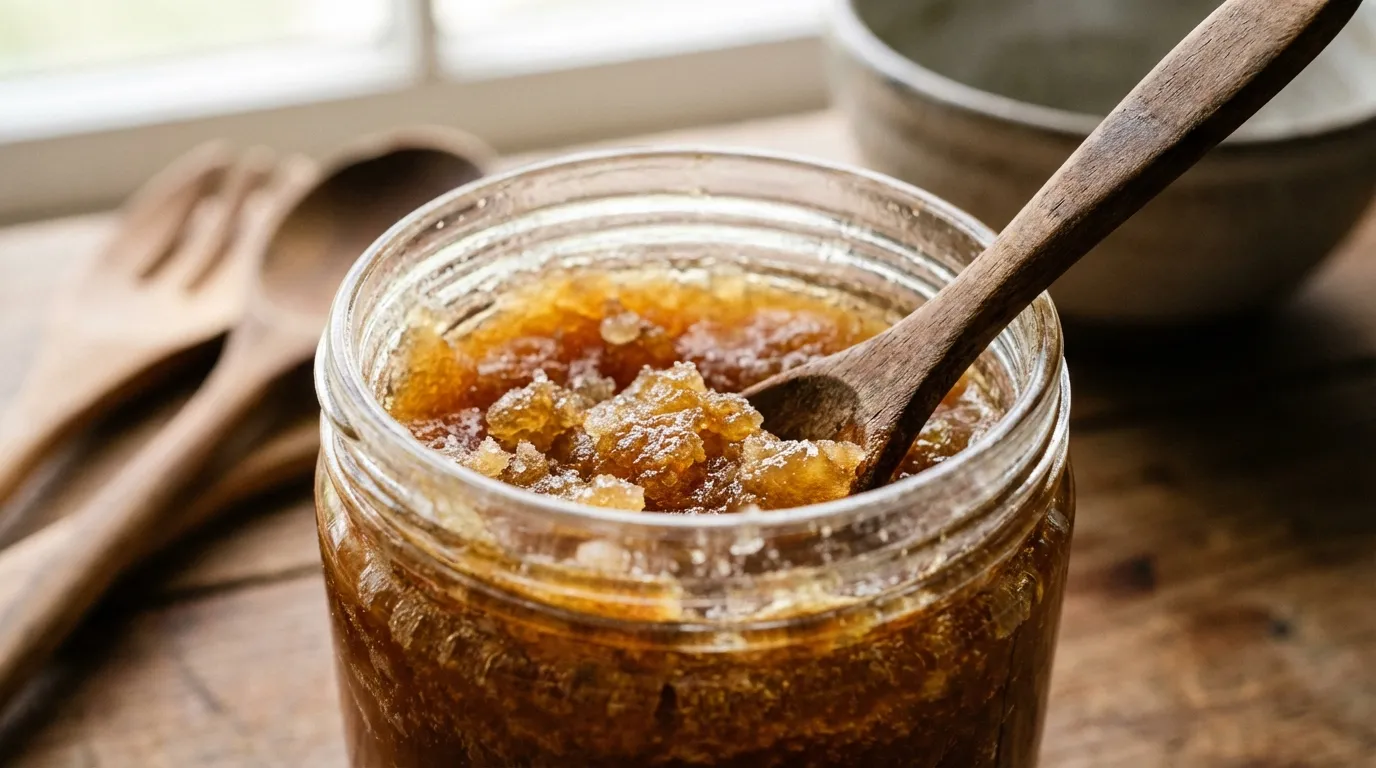
Crystallization directly affects the rheological behaviour of honey. As crystallization progresses, honey becomes more solidified, resulting in increased resistance to flow.
For Australian consumers, crystallization is often seen as a quality clue. Local floral honeys like Ironbark or Leatherwood naturally have higher glucose levels, so they tend to set sooner. Imported honey is often heat-treated, which usually slows this process. Examples of these local varieties can be found through trusted sources like the honey and hives collection.
Best Honey Storage Practices for Freshness
Storing honey is pretty simple, and most people already do it fairly well. Issues usually come from small habits that seem harmless at first but slowly change how honey tastes and feels. Most of the time, freshness comes down to two things: moisture and heat. Keep both under control, and honey tends to stay just fine.
Heat is usually the bigger problem. Over time, warm spots can break down honey’s natural enzymes and antioxidants, which can change the flavor and texture more than you might expect. You often don’t notice it right away, which is why it gets ignored. A pantry or cupboard is usually a safe option, especially if it stays around 18 to 25 degrees Celsius. Spots near ovens or sunny windows can heat up during the day, even if the room feels normal.
Containers matter too. Glass jars are the best choice. Plastic can trap smells and let small amounts of air sneak in over time. Making sure the lid is tightly closed after each use really helps. Honey naturally pulls moisture from the air, and once extra water gets in, fermentation can happen. Research shows honey stays stable when its water content stays under 18 percent (NIH), which sounds technical but affects everyday quality.
The fridge might seem helpful, but it usually causes honey to crystallize faster. That grainy, hard-to-scoop texture is the result.
If you’re buying premium raw honey from a trusted local shop like the online honey shop, storing it properly protects both the flavor and what you paid for it. For more information on keeping honey fresh, check out Raw vs Pasteurized Honey – Processing, Nutrition & Safety.
How to De-Crystallize Honey Without Ruining It
At some point, most raw honey will crystallize, it’s pretty normal. When it does, you’ve got two main choices. Some people leave it alone and enjoy it as-is: thick, slightly grainy, and easy to spread. Others prefer to warm it gently until it turns liquid again. Both are fine, and it really comes down to what you like. The main thing is not using too much heat.
The safest way is a warm water bath. It’s simple: set the jar in a bowl of warm water and keep the temperature below 40 degrees Celsius. Staying in that range helps keep the enzymes and antioxidants that people want when they buy raw honey. If it doesn’t change right away, give it a gentle stir and some time. The crystals usually soften slowly rather than melting all at once.
Microwaves are best avoided. They can heat unevenly and push the temperature up fast without you realizing it. That kind of heat can damage nutrients and affect the taste, which is why most honey producers advise against it.
Crystallized honey works well for some uses. It’s great on toast and often used in natural skincare. Baking can be different, since texture matters in certain recipes. That’s explained here: honey for baking and sugar swaps. Additionally, if you’re curious about how honey affects allergies, visit Local Honey for Seasonal Allergies: Fact or Fiction?.
Common Honey Storage Mistakes to Avoid
Most honey problems start small, often in ways careful buyers don’t notice right away. Leaving the lid off for just a bit too long is a common one. Moisture can sneak in without much warning, and over time that often leads to fermentation. When that happens, you’ll usually notice a sour smell and a sharper taste, and the honey stops being enjoyable.
Strong smells are another issue people miss. Honey can soak up nearby odours, which gets annoying fast. Storing jars near spices or coffee usually causes problems. Glass jars help a little, but where you keep them often matters more than expected.
Buying more honey than you need isn’t usually a problem since honey lasts well. Still, rotating jars so older ones get opened first works better than letting them sit. It’s a simple habit that pays off.
Storage details matter even more for cafes or families buying in bulk, where small mistakes add up. No shortcuts here. For example, a cafe rotating larger containers daily avoids waste. That’s covered here: bulk honey for cafes.
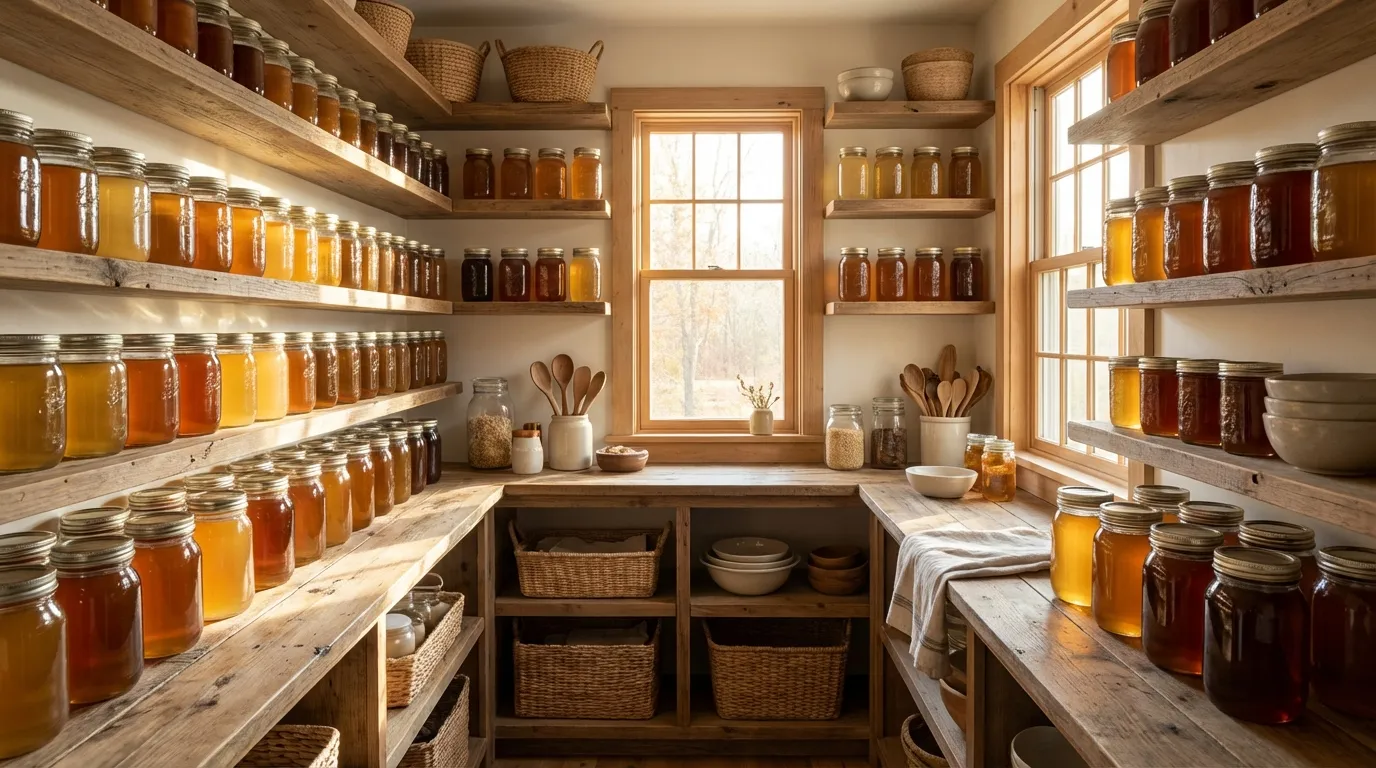
Crystallization Trends and Consumer Preferences
Crystallized honey is getting another look. What used to seem like a flaw now often comes across as a sign it hasn’t been overly handled, which matters to buyers who care about authenticity. Instead of being a problem, it’s part of what people like. That shift helps explain why the crystallized honey market hit about USD 1.8 billion in 2025, with steady growth still expected, according to Data Insights Market.
In Australia, shoppers usually know what they’re buying. Many look for raw, unprocessed honey, so crystallization feels normal, not like something went wrong. Creamed or raw-set honey also has a following, mostly for its smooth texture and because it avoids high-heat processing (which I see as a big plus).
These choices often overlap with eco-conscious values. Buying local honey supports beekeepers, cuts down food miles, and helps bee conservation. For anyone curious about native floral sources, there’s more detail in this Australian honey varieties guide.
Honey Storage for Health, Skincare, and Gifting
How honey is stored often affects how people use it day to day. In health routines, steady honey storage can help keep enzymes active instead of breaking down over time, which tends to happen faster with heat. Many people use raw honey to support immunity or help with seasonal allergies, usually in morning tea or on toast. Everyday habits matter here, especially when honey is part of a daily routine. That’s where storage choices make a difference, and why we shared more detail in our guide on raw honey benefits. Worth checking out if you’re curious. You can also learn more from Can Local Raw Honey Help with Seasonal Allergies?.
For skincare lovers, texture usually makes the call. Slightly crystallized honey works well in masks and scrubs when something gentle but effective is wanted. The soft grains add light exfoliation without feeling rough. Keeping a small, separate jar also helps, since sticky fingers and food jars don’t mix well.
When honey is meant as a gift, appearance often matters more than expected. Upright jars, clean rims, and avoiding heat before gifting can help stop leaks. First impressions count, especially in person, which is why buying from a trusted source like the Queensland honey shop helps from the start.

Questions People Usually Ask
Is crystallized honey safe to eat?
Yes, crystallized honey is safe to eat and normal. It forms naturally; it doesn’t mean the honey spoiled.
Should honey go in the fridge when it’s hot?
No. Fridges often make honey crystallize faster (annoying), so skip it. A cool, dark pantry works better when it’s hot.
Does crystallization reduce honey’s health benefits?
No, I don’t think it cuts nutrients or enzymes. It’s usually just a texture change.
You usually can’t completely stop raw honey from crystallizing, but you can often slow it at room temperature by keeping moisture out.
Is runny honey better than thick honey?
Usually I don’t think either is better, both have the same benefits. Texture depends on flower source and storage, so differences appear.
The Bottom Line on Fresh, Well-Stored Honey
One cool thing about honey is that when crystals appear, it often means something went right. Once you understand honey storage and crystallization, those crystals stop looking like a problem and start feeling like a good sign. They usually point to honey that hasn’t been heavily processed, which is what most people want in the first place.
Honey is pretty straightforward, and it does best with a little basic care, nothing complicated. It usually keeps best in a cool pantry with the lid closed tight, especially when it’s kept away from strong heat like stoves or sunny windows, which people often forget about. If it sets, there’s no rush to fix it. You can warm it gently or just use it as it is. A lot of people like the thicker feel, and most of the time, the flavor doesn’t change.
Raw, local honey often supports health and nearby beekeepers, and it helps you feel more connected to how the hive works, which is kind of neat. Whether you use it for daily tea, skincare, or as a simple gift, those small habits tend to add up over time, I think.
Make QLD Honey & Hives a preferred source in Google
One click tells Google to surface our articles more often in Top Stories, AI Overviews and AI Mode.