Last updated:
TLDR; Beeswax candles are presented as a healthier choice because they burn cleaner than paraffin and most soy candles, producing fewer pollutants and less soot, which can matter for indoor air quality around families, pets, and people with sensitivities. Compared to paraffin, which is petroleum-based, and soy, which often involves additives and heavy processing, beeswax is natural, long-burning, and lightly scented without added fragrances. The article notes that beeswax candles are generally safe for regular use, may be better tolerated by people with allergies, and cost more due to ethical beekeeping, limited supply, and higher-quality production. For consumers, the takeaway is to choose pure beeswax from transparent makers, use candles safely, and view them as a more sustainable everyday option or a thoughtful, values-aligned gift.
If you’ve ever lit a candle at home and paused to think about what you’re breathing in, you’re not alone. Across Australia, more people are paying attention to indoor air quality and everyday chemical exposure, especially in shared family spaces with kids and pets around. Candles come up in that conversation pretty fast. They’re cosy and calming, but the differences between candle types often get skipped over. That’s usually where beeswax candles come into the mix, and they’re worth a closer look for that reason alone.
Beeswax candles are often seen as a healthier choice because they’re made from a natural by-product of honey production. There’s no petroleum base and no added artificial fragrances. They also skip the heavy processing that’s common with many standard candles on shop shelves, which matters to people who actually read ingredient lists. For health-conscious homes and eco-aware families, this can feel like an easy, intentional swap that fits better with natural living. It’s a small change, but one people often stick with because it makes sense day to day.
This guide looks at what beeswax candles are and how they compare with common candle types, including what research says about indoor air quality and how they’re used at home, like placement and burn time. It also covers sustainability, gifting ideas, and how beeswax fits into a low-tox lifestyle alongside raw honey and other bee-based products. Simple choices, made with a bit more thought.
Why Candle Choice Matters for Your Health
Most people don’t think twice before lighting a candle, and that’s understandable. It’s usually about setting a vibe, not worrying about air quality (that’s how it often starts). What gets missed is how fast smoke can build up indoors. Research shows candle smoke can change indoor air quality, especially in closed spaces like bedrooms or smaller living rooms, and it can happen quicker than you’d expect. Studies on indoor pollution found clear jumps in fine particles even during short burn times. One 2024 study on PubMed Central reported PM2.5 levels peaking at 31.1 μg/m³ after just 30 minutes. That’s a short window, honestly, especially if a candle is lit most evenings.
| Particle Type | Peak Level | Time |
|---|---|---|
| PM2.5 | 31.1 μg/m³ | 30 minutes |
| PM10 | 42.8 μg/m³ | 10 minutes |
Wax type makes more of a difference than many people think. Paraffin candles are petroleum-based, which surprises a lot of people. The US Environmental Protection Agency has confirmed they can release benzene and toluene, both known carcinogens (US EPA). Lighting one candle once in a while usually isn’t a big issue. But using them often can add up over time, which is usually how exposure happens.
That’s why many families are switching to beeswax and other healthy candles with fewer ingredients. It’s a small change, and you usually notice it fast, less soot, no synthetic fragrance, and less smoke hanging around after dinner or before bed.
What Makes Beeswax Candles Different
That warm golden color is usually the first thing people notice, and it comes straight from pollen and propolis found in the wax. The light honey scent works the same way. It isn’t added later or sprayed on, which can matter if you’re sensitive to smells. Beeswax candles start with wax honeybees make themselves, collected by beekeepers during honey harvests. After that, the wax is filtered and shaped by hand, keeping the process pretty straightforward and far from a factory-style setup.
A big reason beeswax candles appeal to so many people is how simple they are. Most are just beeswax and a cotton wick. No dyes, no mixed-in fragrances, and no long ingredient lists full of hard-to-pronounce names, which is often a relief. This kind of simplicity usually makes sense to people who already buy raw honey, handmade soap, or natural skincare, you might notice the connection.
You’ll often hear that beeswax candles clean the air, and it’s easy to see why people believe that. It fits the natural image. Still, science doesn’t really back it up. Being clear about that matters, especially for brands and buyers who care more about honesty than hype.
There is no evidence in the scientific literature that beeswax candles release negative ions. Releasing negative ions in any substantial amount is incredibly unlikely for any candles given what we know about their chemistry.
So no, beeswax candles aren’t air purifiers. They do tend to burn cleaner and feel more natural than paraffin candles, at least to me. It helps to keep expectations clear, pick one for a relaxed evening burn, not for fixing indoor air quality.
Beeswax vs Paraffin and Soy Candles
Standing in a shop or scrolling online, most people end up choosing between paraffin, soy, coconut, or beeswax candles, and it can feel like a lot to sort through. None of these choices are perfect. Paraffin is cheap and easy to find, which explains why it’s everywhere, but higher emissions make some people pause. Soy is plant-based and popular, though it’s often mixed with other waxes, heavily scented, and usually imported. On the shelf, the decision looks simple. The results, often, aren’t (you’ve probably noticed that already).
Research comparing emissions shows soy candles give off fewer volatile organic compounds than paraffin. Beeswax usually produces less visible soot, which you can often see on walls or inside jars. A Danish indoor air study found candles made up 58 percent of indoor ultrafine particle pollution in non-smoking homes (Danish Indoor Air Study). That number tends to surprise people.
| Candle Type | Key Material | Emission Profile |
|---|---|---|
| Paraffin | Petroleum | Higher VOCs and soot |
| Soy | Soy oil | Lower VOCs, often fragranced |
| Beeswax | Natural beeswax | Lower soot, no synthetic fragrance |
For those already buying natural honey products from Queensland honey and hive suppliers, beeswax candles often fit right in. They support beekeeping and avoid petrochemicals, which usually fits low-tox preferences. It’s a small change, but the values are already there, and most people are halfway there anyway.
In addition, readers who want to learn more about honey types can explore what to know about Australian honey for broader context on how bees contribute to both honey and wax production.
Using Beeswax Candles Safely at Home
Beeswax candles can seem gentle, but even the cleaner options still need a bit of care. Anything that burns releases something into the air, so there’s no need to panic. It’s really about keeping exposure lower, not pretending it’s zero. In real life, a few small habits can make a clear difference. Good airflow helps a lot, and cracking a window is often enough. Trimming the wick can cut down on smoke, and it also helps not to let candles burn for hours at a time. Small changes, usually worth doing.
It’s also easy to think “natural” means you can use them nonstop. That’s a common mistake. Beeswax candles are often a better choice, but they still release particles. Moderation still matters, as Dr. Farmer explains:
Beeswax candles are not air purifiers, but instead air pollution sources.
For homes with asthma or sensitivities, that balance matters even more. Many people keep burns short, like during dinner, instead of all day. Others save beeswax candles for moments they actually notice, like a calm meal with a window open. This way of thinking fits with other natural home habits, beeswax wraps, fresh air each day, unfiltered honey, simple, mindful choices.
Sustainability, Beekeeping, Ethics, and Choice
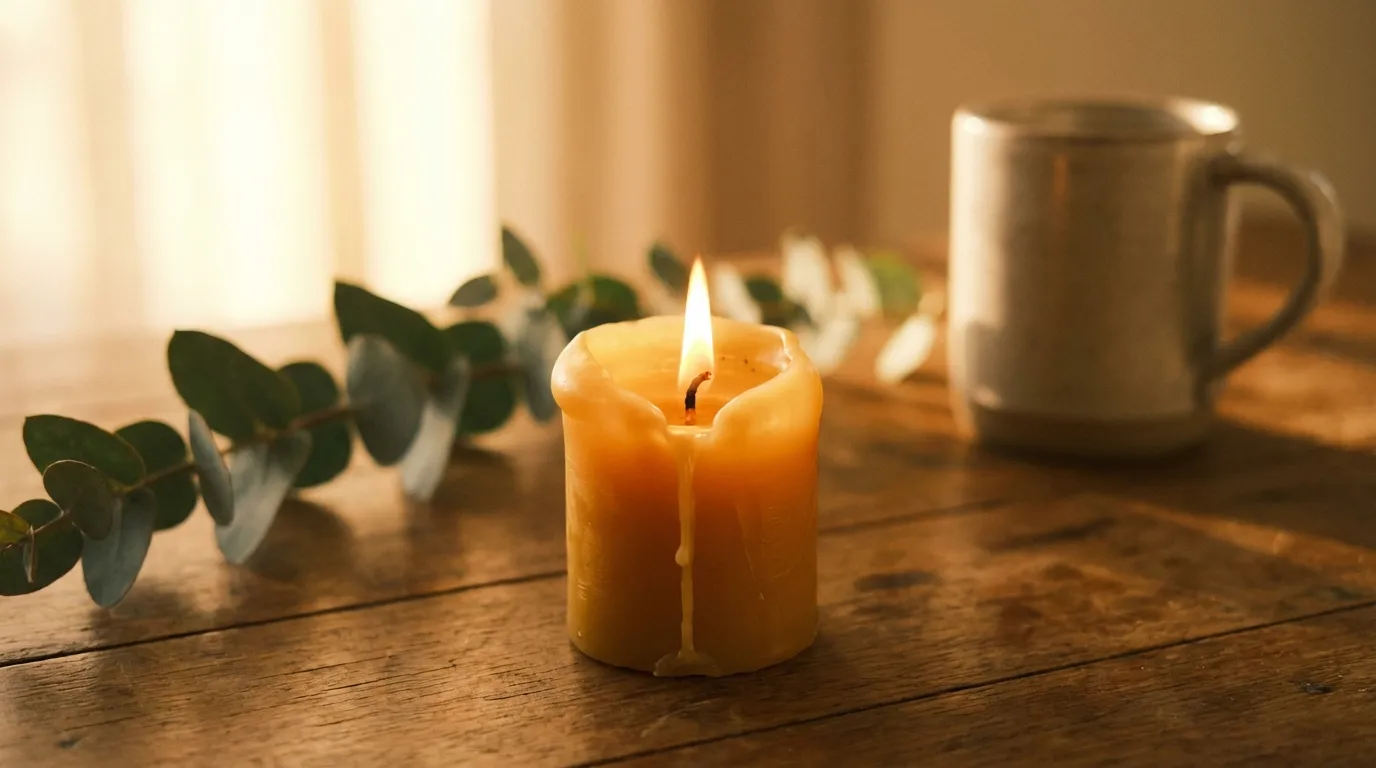
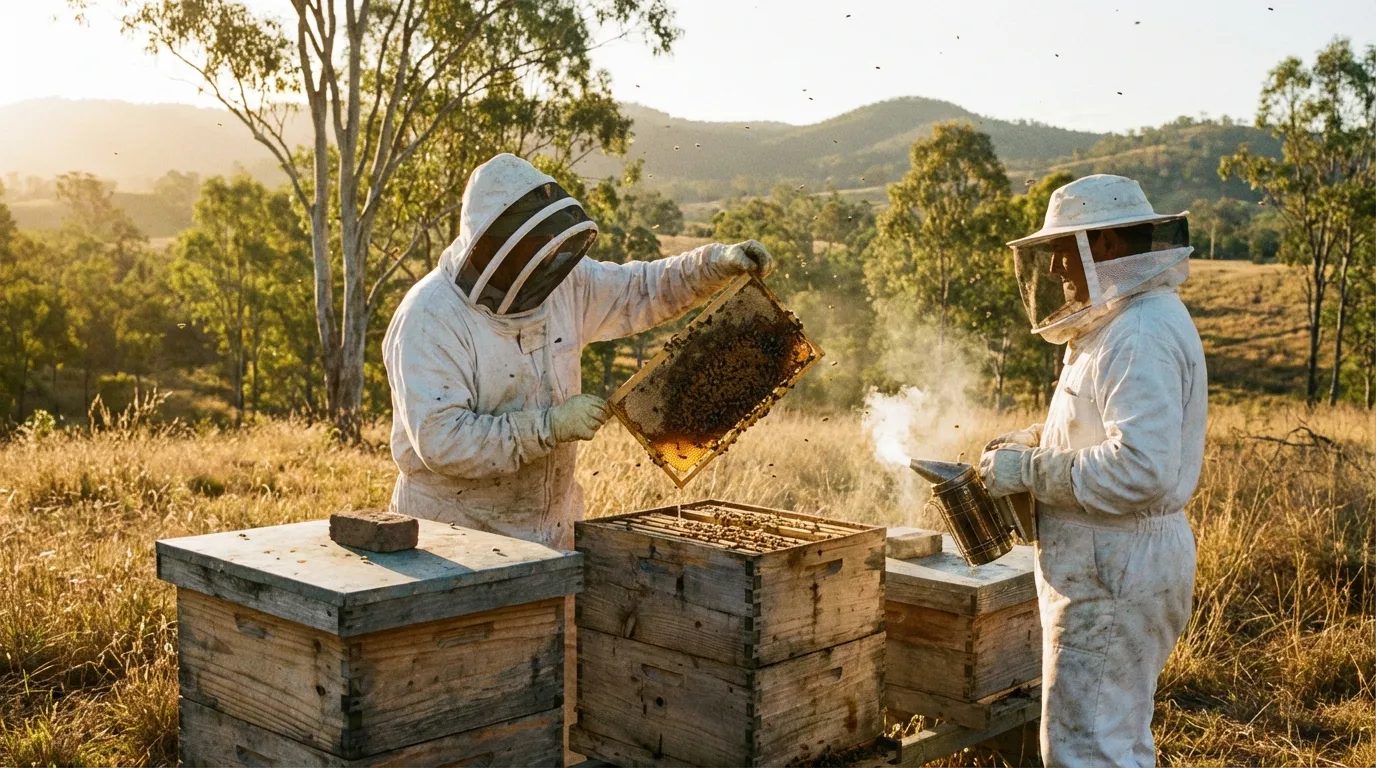
Choosing beeswax candles often ties personal health to sustainability in a pretty straightforward way, nothing fancy, just common sense. Beeswax is renewable and biodegradable, so it usually breaks down on its own instead of hanging around for years. Simple as that. When it’s sourced responsibly, it also supports local beekeepers who handle the day‑to‑day work of keeping hives healthy, active, and productive over time. That hands‑on care is often what really matters.
In Australia, this connection matters more than many people think. Bees are closely linked to food production and crop health through pollination. Ethical beekeeping isn’t just a feel‑good idea, it often has real effects on farms and ecosystems people depend on every day.
You can see this shift in the market too. The Australian candle market keeps growing, with natural, eco‑friendly options driving a lot of that growth. In 2025, it reached AUD 130.57 million, mostly due to growing interest in toxin‑aware and plastic‑free products (Expert Market Research), a source often used for broad market trends rather than niche detail.
For brands like Queensland Honey and Hives, the connection is clear. Their beeswax comes from the same hives that produce pure raw honey, one source, fewer steps. Buying both from the same place keeps things transparent and cuts down on transport before products reach your home. It’s a very direct way to support ethical beekeeping. Their products are available through the online shop, with more detail about the hives in the honey and hives collection.
Additionally, you can learn about how raw honey supports immunity by reading how pure honey supports immunity in spring, which complements the sustainable choices behind beeswax candles.
Beeswax Candles as Thoughtful Gifts
Beeswax candles often work really well as gifts, at least from this point of view. They feel intentional and well made, more like something picked with care than a last‑minute extra. The soft golden colour and light honey smell fit easily in kitchens, living rooms, and even bedrooms, and they don’t rely on strong fragrance like many store‑bought candles do. That’s usually what helps them stand apart.
They’re also easy to pair with raw honey or handmade soap, which takes some pressure out of gifting. Because of that, they’re a good choice for birthdays, housewarmings, thank‑you gifts, or seasonal hampers. When looking through honey gift ideas, adding a beeswax candle often brings everything together into a simple bee‑themed wellness set that feels finished.
If curiosity kicks in about other ways beeswax is used, there’s also a guide on beeswax skincare benefits that’s worth a look, you’ll probably notice a few ideas you didn’t expect.
Questions People Often Ask
Are beeswax candles safe to use every day?
Most people agree beeswax candles are safer than paraffin. That’s generally true, but burning them every day for long periods isn’t great, use them in ventilated rooms, keep it moderate, and take regular breaks.
The smell is very light, so you almost don’t notice it. Pure beeswax has a soft honey-like smell, I think, and it comes from the wax itself, with nothing added, just natural material.
Are beeswax candles better for people with allergies?
Usually, they’re a better choice since they have fewer additives (fewer extras). But if you have breathing issues, use candles with care and watch how your body reacts (you’ll notice).
Why not try candles labeled 100 percent beeswax? If you read the fine print, the label should show no fragrance or dye. I feel fewer extras usually work better. The color can vary from pale yellow to deeper gold, and that’s normal.
Why are beeswax candles more expensive?
Beeswax is often made slowly in small batches, which takes time. That connects to ethical beekeeping, and I think the higher price usually shows that and the quality.
A Cleaner, More Honest Choice for Your Home
Beeswax candles aren’t magic, and that’s usually why people like them. They don’t claim to clean the air or fix indoor pollution. What they do offer is a cleaner burn than paraffin and fewer big promises, which often feels right during quiet evenings at home. For Australian households thinking about health and sustainability, the difference shows up in daily habits, the small, ordinary moments that add up over time.
When used with decent ventilation and a bit of moderation, beeswax candles often fit well into a low‑tox lifestyle. They go well with choices like raw unfiltered honey and supporting local beekeepers, which, to me, feels consistent. It really comes down to awareness: noticing what comes into the home and why you choose it.
Thinking about trying one? You can find naturally sourced options at the Queensland Honey and Hives shop, handy for testing a single candle during a relaxed evening, with no pressure.
For more natural living inspiration, explore the Queensland Honey and Hives blog to see how beeswax and honey fit into sustainable home routines.
Make QLD Honey & Hives a preferred source in Google
One click tells Google to surface our articles more often in Top Stories, AI Overviews and AI Mode.