
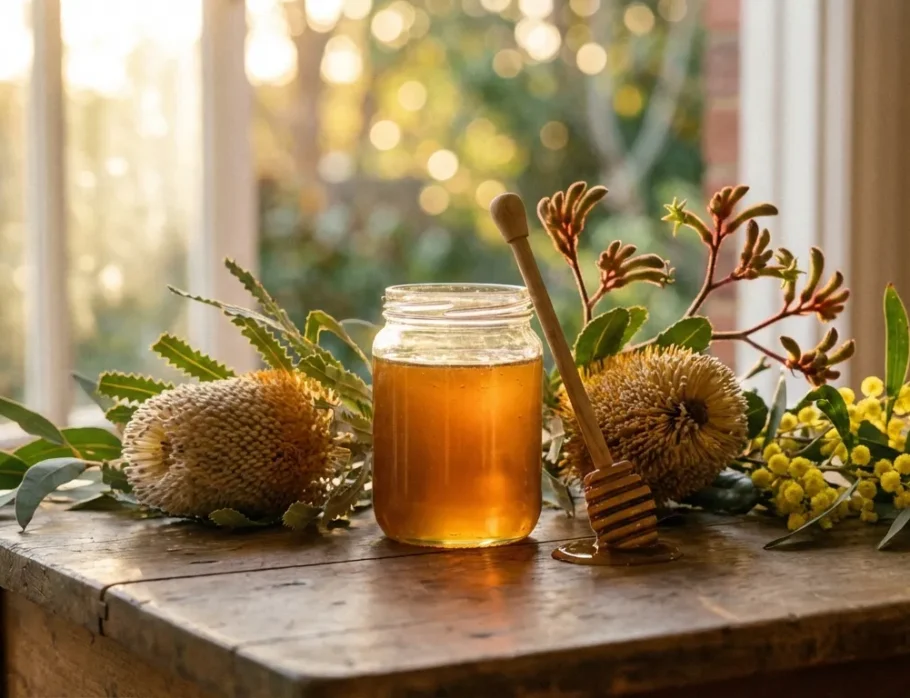
TLDR; Many people believe local raw honey can ease seasonal allergies by exposing the body to small amounts of pollen, but scientific evidence does not support honey as a reliable treatment for hay fever. Research shows honey may help soothe coughs, support general immunity, and provide antioxidants, yet it does not cure or significantly prevent allergic reactions. If you choose to use raw honey, do so for its general wellness benefits, use it safely (never for infants under one year), and don’t replace proven allergy treatments. When buying in Australia, choose genuinely raw, locally sourced honey for quality, but keep expectations realistic and see it as a complement, not a solution, to allergy care.
Seasonal allergies can turn what’s usually the best time of year into a bit of a grind, especially spring. Sneezing fits, itchy eyes, and that nonstop, stuffy sniffle can wear anyone out. If hay fever is part of life, someone has probably said, “Try local raw honey.” It sounds simple and natural, which is often why ideas like this hang around. Almost sounds too good to be true, right?
This idea has been around for a long time, mostly among people who lean toward natural health options. In Australia, it’s picked up even more interest as families pay closer attention to local food and fewer ingredients. That brings up the question many people already have: does local honey actually help with allergies, or is it just a sweet story that won’t go away?
This article looks at that question without getting overly technical. It examines what science is actually out there and what experts usually agree on, without the hype. It also looks at where raw honey benefits tend to show up in everyday life, especially when it comes to general wellness. You’ll see what often makes sense to try, what’s probably not worth it, and why more isn’t always better.
You’ll also find practical tips for picking high-quality Australian honey and a closer look at why buying local often matters, not just for people, but for bees too, which doesn’t get talked about nearly enough.
Why People Believe Local Honey Helps Allergies
The idea behind local honey and allergies is pretty simple. Bees collect pollen from plants close to home, and tiny amounts of that pollen end up in the honey. When someone eats small amounts on a regular basis, the hope is that the body slowly gets used to it over time, kind of like easing into exposure. That’s why people often compare it to allergy shots, even though most agree it’s a pretty loose comparison.
At first, it sounds reasonable. The issue is that bodies don’t always respond the way people expect. Most seasonal allergies come from wind‑blown pollen, like grasses or trees. Bees mostly visit flowers, and those plants usually aren’t the main cause of sneezing, itchy eyes, or congestion. That mismatch often matters more than people think, so the pollen exposure doesn’t line up in many cases.
Researchers have looked at this more than once. In one small clinical trial, adults who used honey along with antihistamines said they felt some improvement after eight weeks, which sounds promising. But another well‑known study found no real difference between people eating local honey and those using regular honey. Because of that, the results are still mixed.
Here’s a quick snapshot of how the research stacks up.
| Study Type | Participants | Outcome |
|---|---|---|
| Honey plus antihistamine | 40 adults | Some symptom improvement |
| Local honey vs placebo | Multiple groups | No clear benefit |
According to the American Academy of Allergy, Asthma & Immunology, most evidence doesn’t support honey as a dependable allergy treatment (Source). That leaves it as more of a hopeful idea than something most people can count on.
The science is pretty thin on the benefits of local honey for allergies. Some studies show mixed benefits, but many show no benefits.
What the Science Really Says About Honey and Allergies
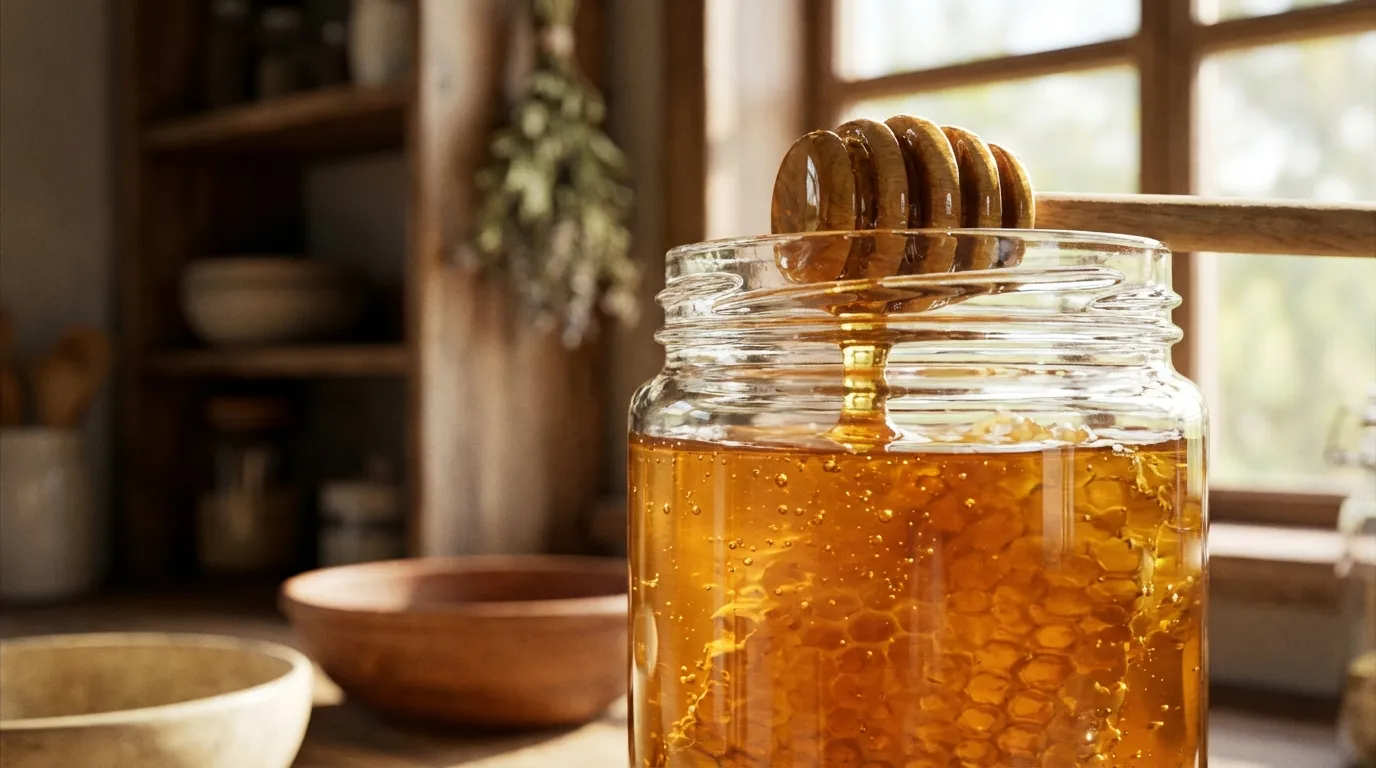
The nice idea is that honey works like allergy shots, but science usually doesn’t see it that way. They sound similar, but they’re not doing the same thing. Allergy immunotherapy uses carefully measured doses of very specific allergens over a long period of time, and that steady setup often makes the difference. Honey can’t really do that. The pollen inside it can change a lot from one jar to the next, and that matters more than most people realize.
Experts also point to another issue. Even if pollen is present, it might come from plants far away, or there may be too little of it to have an effect. It’s often a mixed situation. Either way, in my view, that’s usually not enough to actually train the immune system.
Even if you are allergic to the pollen that a local honey contains, it’s unlikely that the pollen would be local enough to effectively desensitize your allergies.
Still, many people say they feel better when they use raw honey regularly. That doesn’t mean it cured their allergies, that’s a stretch. More often, it may help in smaller, indirect ways. For example, raw honey can soothe an irritated throat and calm coughing, which feels like real relief. It also contains antioxidants that support general wellness. Medical News Today notes it may help with inflammation and upper respiratory health (Source).
Where Raw Honey Benefits Really Shine
Raw honey probably won’t fix hay fever, but its benefits tend to show up in quieter, more practical ways. This is usually where honey and immune system support connect without much hype. It’s less about quick fixes and more about steady, everyday support. The effects aren’t flashy, but over time they’re often noticeable if someone is paying attention.
One reason for this is what raw honey keeps intact. Unfiltered honey still contains enzymes, amino acids, vitamins, and plant compounds that processing often damages or removes. Heavy heating strips much of this away. What stays in raw honey can help the body handle oxidative stress and support immune balance slowly. That slower pace is often how real support shows up.
Honey’s antibacterial side is also well known. People have used it for wound care for centuries, and usually for good reason. It’s commonly used for cough relief too, and many people turn to it for digestive support. The World Health Organization recognizes honey as a soothing option for coughs in adults and children over one year old (Source), which keeps things realistic.
In Australia, some varieties are especially known for antibacterial activity. Ironbark often comes up, and Jarrah is frequently mentioned as well. Choosing pure raw honey matters here, since it avoids added sugars and heat damage, which are best skipped.
Curious about local options? Australian honey products are covered through places like the honey collection or the online store.
How to Use Raw Honey Safely and Effectively
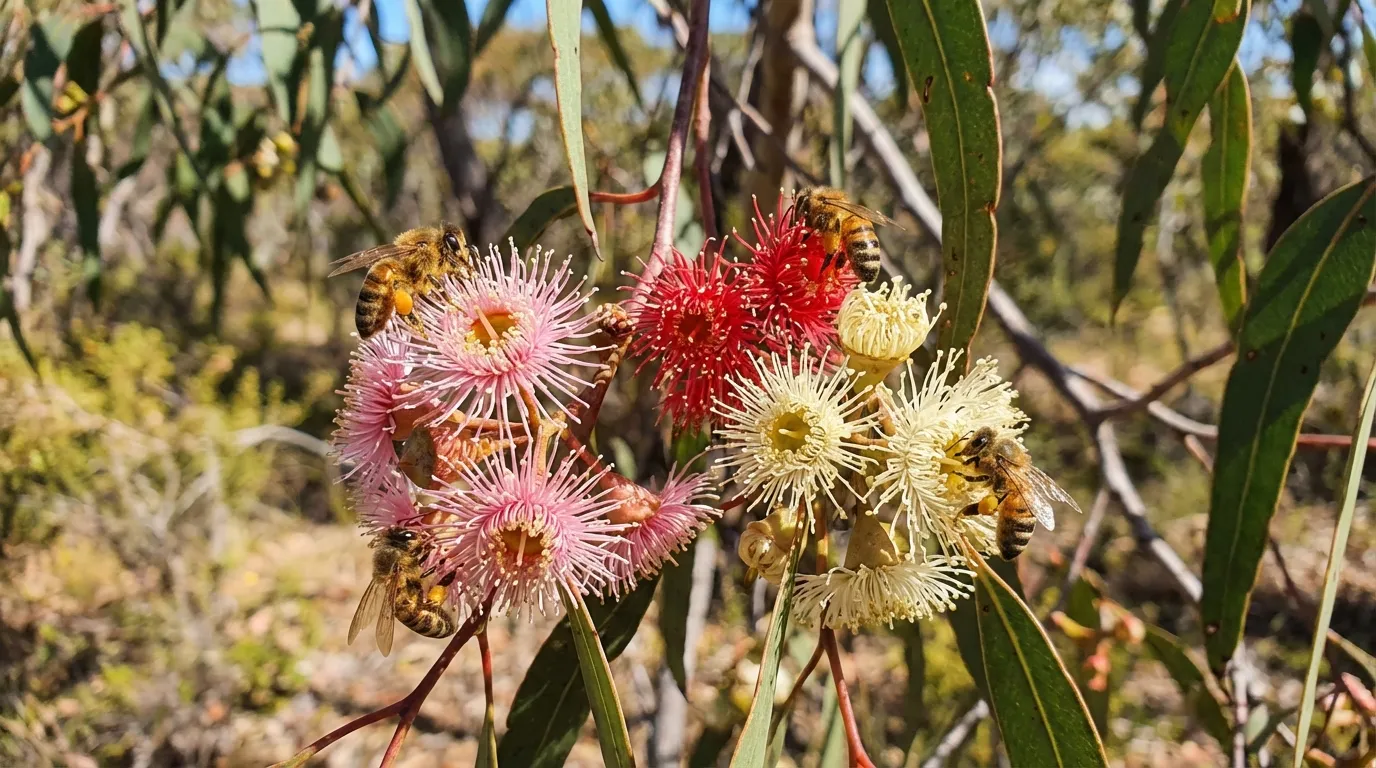
If you’re thinking about trying local honey for allergies, it helps to keep expectations realistic. Honey usually works best as a supportive food you add to your routine over time, not a quick switch you turn on. It’s rarely a fast fix, and for most people, that’s fine.
A few practical points can make a real difference.
One teaspoon a day is usually enough to start. Taking more doesn’t make results show up sooner, even if it’s tempting to try.
What actually helps is regular use. When benefits do show up, it’s often after a few steady weeks, not from an occasional spoon. Sticking with it tends to matter.
Raw, unfiltered honey is the better choice since pasteurised versions often lose the compounds people want. This difference is explained in this guide on raw vs pasteurised honey.
Never give honey to infants under 12 months. This rule has no exceptions. And keep using prescribed allergy medication unless a healthcare professional says otherwise.
Many people mix honey into warm water or tea, while others stir it into yoghurt. If baking is already part of your routine, this article on honey for baking shows how it can be used there too.
Choosing the Right Local Honey in Australia
Honey usually isn’t all the same, especially if you’re buying it for health reasons. Quality often matters more than people think, and in my experience, this is one of those things where small details add up over time.
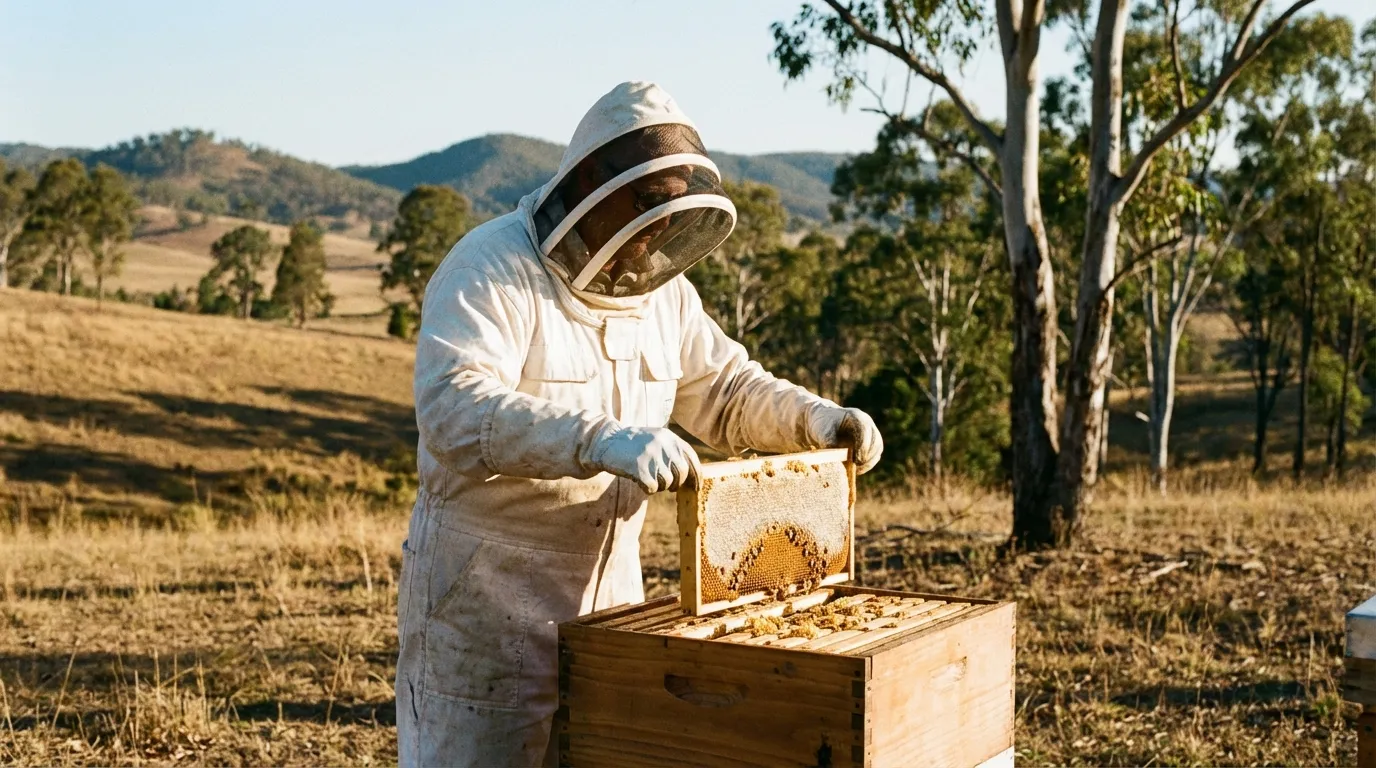
Single-origin Australian honey is often the better choice. It supports local beekeepers, which I think is worth considering, and it also makes it easier to know where the honey came from. There’s less guessing involved overall.
Labels matter too. Raw or unfiltered honey that’s cold extracted is what to look for. It’s not a long list, but those signs help. Blends with added syrups are usually better left on the shelf.
Different floral sources act differently, so learning about local types is useful. This Australian honey varieties guide explains that clearly.
Common Questions People Have
Does local raw honey cure seasonal allergies?
No. Research usually doesn’t show local honey cures hay fever, even if some people say it helps a bit. I think results vary, and overall the evidence is mixed for most people.
How long does it take to notice any effects?
If honey helps, you’ll usually notice results after a few weeks of daily use. Changes are slow, with no quick payoff, and early progress can feel pretty slow.
Is raw honey better than regular honey for immunity?
Raw honey usually keeps more enzymes and antioxidants, so it often supports immunity better than regular honey.
Can children use honey for allergies?
Kids over one can usually have honey, yeah, really. But it’s a hard no for babies under 12 months, no exceptions at all ever.
Which Australian honey is best for health?
I usually think Ironbark and Jarrah honeys stay popular, while Leatherwood is often loved for antibacterial benefits and its strong taste, probably.
The Bottom Line on Honey, Allergies, and Wellness
Supporting local beekeepers is a nice side benefit of choosing quality Australian honey, especially for people who care about where their food comes from. Keeping small producers in business matters in real, everyday ways, not just as an idea.
That said, local raw honey isn’t a cure for seasonal allergies. Science is pretty clear about that, and it’s better to be honest, even if it’s not the answer people hope for. Still, it can usually fit into a healthy routine without claiming to fix everything. No hype and no big promises. Just the facts, which most people are fine with.
Raw honey benefits often include antioxidants and some immune support, along with the soothing feeling many people like when pollen is everywhere. When used alongside medical advice, it can work well in a balanced, natural lifestyle. For most people, that’s enough.
If you want to try real raw honey from Queensland, you can browse the honey and hive collection or check the shop and choose a variety that suits you.
Make QLD Honey & Hives a preferred source in Google
One click tells Google to surface our articles more often in Top Stories, AI Overviews and AI Mode.


