
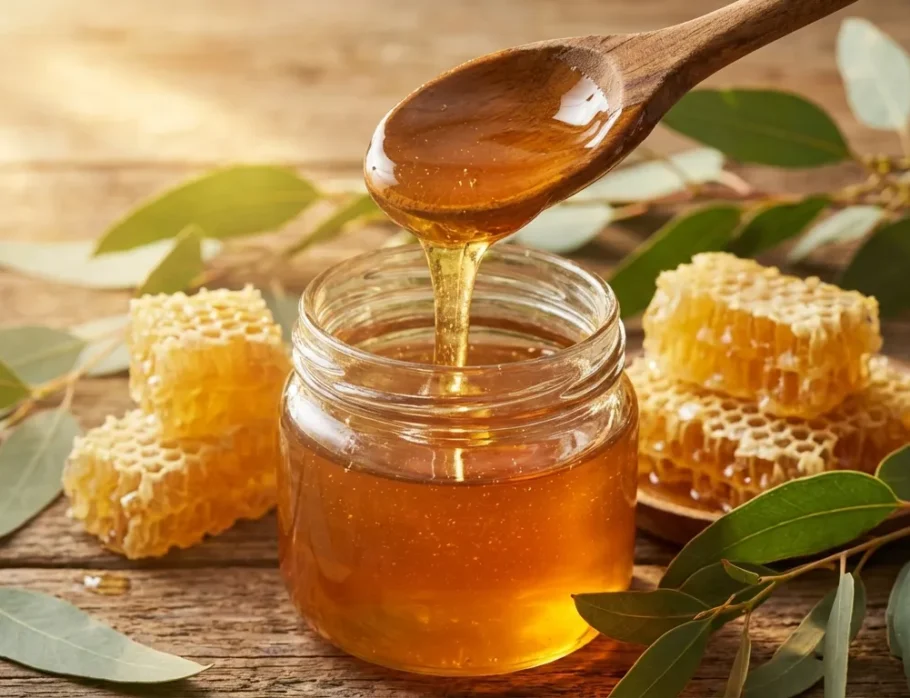
TLDR; Raw honey retains natural enzymes, antioxidants, and trace nutrients that are often reduced by pasteurisation, making it nutritionally richer than highly processed honey. Evidence suggests it can support digestion, wound care, skin health, and immunity when used sensibly, while also being safe for daily use for most people (except infants). Crystallisation and changes with heat are normal signs of minimal processing, and gentle storage preserves its benefits. Choosing locally sourced Australian raw honey can also support sustainable beekeeping, and it’s easy to enjoy daily as a natural sweetener, skincare ingredient, or simple wellness boost.
Raw honey has been used for food and healing for thousands of years, so it’s not some new craze. Still, people often ask if it’s actually better than regular honey, and that’s a fair thing to wonder. If you pay attention to what you eat and how it affects your body, raw honey is worth a closer look. This guide explains the nutritional value of honey in a clear, honest way, without hype or big promises (not really the vibe here). Just useful facts, explained simply. Easy to read, easy to understand, and no fluff.
In Australia, interest in raw and unfiltered honey keeps growing, and that matches how many people shop. Families often want cleaner food with fewer processing steps and nothing overly complicated. Skincare fans usually like natural ingredients that feel gentle and familiar. Gift shoppers tend to choose things that feel thoughtful and personal rather than factory-made. Eco‑conscious buyers often want to support bees and local producers, which matters a lot here. Raw honey fits all of this without trying too hard or acting fancy. In my view, that’s kind of the point.
What’s most useful here is the practical side. This article looks at real raw honey benefits backed by research, explains what nutrients raw honey contains, and why local Australian honey matters, especially for freshness and pollen content. It also covers how to use raw honey safely and how to choose good options from trusted local sources. If you’ve ever stood in front of a honey shelf feeling unsure (we’ve all been there), this guide walks you through what to look for and why.
What Makes Raw Honey Nutritionally Special
Raw honey is honey in its most natural form. It isn’t heated or heavily filtered, so it stays close to what comes out of the hive, pretty much straight from the bees. That detail matters more than many people think. Heat can damage enzymes and lower antioxidant levels, which affects how honey works in the body. Raw honey keeps more of those parts intact, and that’s the main reason people care about it. It’s not magic, it’s just less processed.
Honey nutrition goes beyond natural sugars. Raw honey still has enzymes, amino acids, vitamins, minerals, and plant compounds called polyphenols, all together instead of stripped away. That combo often acts differently than refined sugar, and many people notice the difference after eating it. Refined sugar usually hits on its own, without that backup.
A well-cited review in Nutrition Reviews linked moderate honey intake with better fasting blood glucose and improved blood lipids like cholesterol and triglycerides (not huge amounts). That suggests honey triggers a different response than refined sugar, especially if you’re paying attention to this stuff (Nutrition Reviews).
Below is a snapshot of key nutritional markers discussed in recent studies.
| Health Marker | Observed Effect | Study Duration |
|---|---|---|
| Fasting blood glucose | Reduction observed | 6, 8 weeks |
| Total cholesterol | Lower levels | 6, 8 weeks |
| HDL cholesterol | Increase | Short-term trials |
| Calories per tablespoon | ~64 kcal | Standard serving |
Raw Honey vs Pasteurised Honey: Why Processing Matters
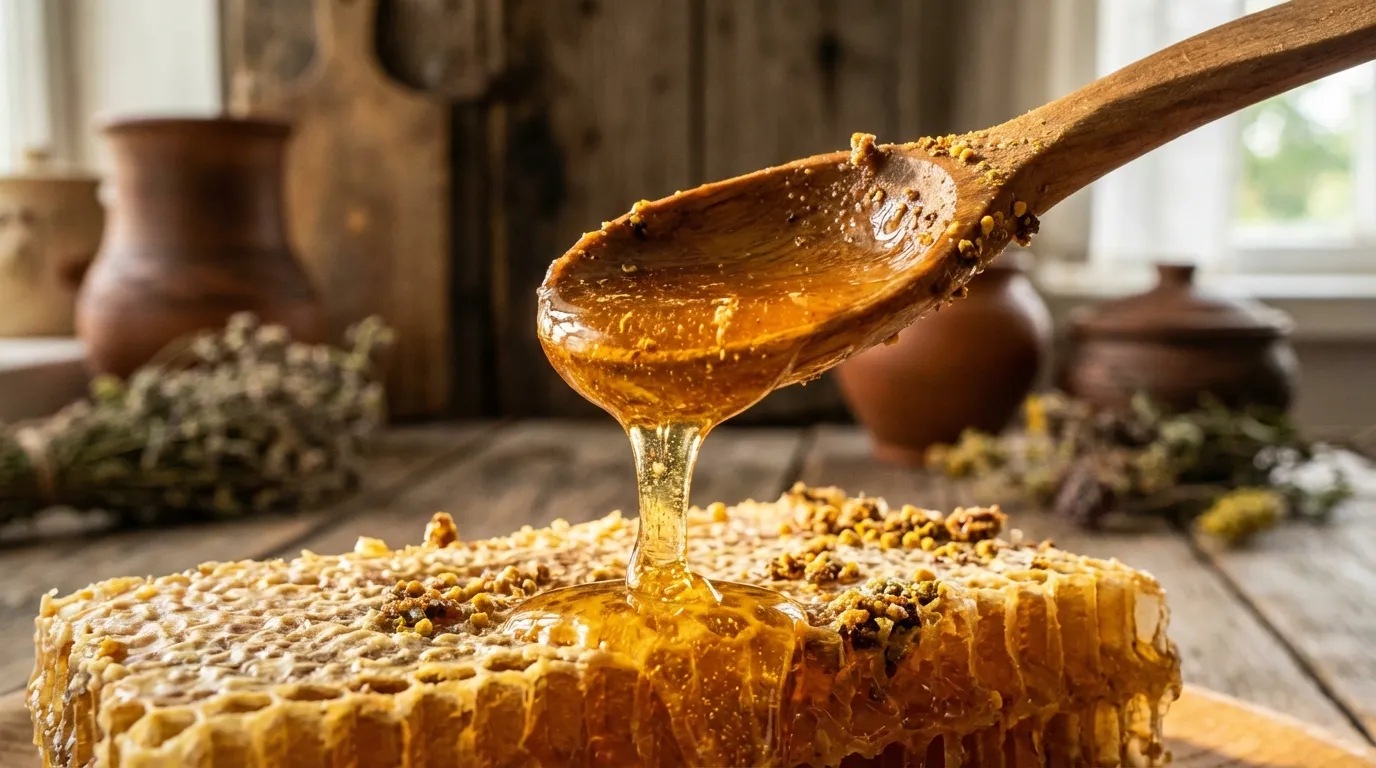
Not all honey is the same, and you can usually tell just by looking at the jars. Pasteurised honey is heated so it lasts longer and stays clear and smooth, the shiny supermarket style most people know. That heating also removes pollen and wax, along with some compounds people often expect to find in honey. It’s a trade‑off, especially if you want more than basic sweetness.
Raw honey doesn’t go through that heating step. Because of that, it often looks cloudy and can crystallise over time, which sometimes surprises people. In most cases, that change is normal and often a good sign. Crystallisation happens because natural glucose and enzymes are still there and active.
If you want a clearer side‑by‑side comparison, the differences are explained in this guide on raw vs pasteurised honey. It’s useful because it sticks to details instead of hype.
For families thinking about everyday wellness, raw unfiltered honey often feels like better value per spoon. It keeps pollen and trace compounds many people connect with immune support, though results differ. Some Australians also prefer local honey, especially when it comes from plants they actually know.
When buying honey, it helps to look for “raw” and “unfiltered” on the label, plus clear sourcing. Why does that matter? Producers who explain how they keep their bees tend to feel more trustworthy. That’s why we’ve put together a few options in this Australian honey collection, which makes it easier to compare jars side by side.
Health Benefits Backed by Science, Not Trends
A lot of raw honey benefits usually get talked about as old advice passed down through families. Stories from grandparents (you’ve probably heard a few). What’s interesting is that science is starting to back up some of those ideas. Studies suggest raw, natural honey may support heart health and gut balance when it’s used instead of refined sugar in everyday foods. It’s not a cure, and it won’t solve everything overnight. Still, as a swap, it often makes more sense, especially in tea, yogurt, or simple baking.
One reason comes back to the gut. Honey contains prebiotic compounds that feed helpful bacteria, which many people don’t think about. When those bacteria are better supported, digestion and immune response often improve too. Raw honey also creates small amounts of hydrogen peroxide through natural enzymes, which gives it mild antibacterial effects. The amounts are small, but they can still help.
According to Medical News Today, honey contains antioxidants that help lower oxidative stress (Medical News Today). Oxidative stress is linked to long-term health issues, including chronic disease, so honey isn’t just about sweetness, which is easy to forget.
People often ask about immunity. Fair question. Honey isn’t medicine, but swapping refined sugar for raw honey may help lower inflammation over time. For allergy-related questions, there’s a deeper look at what’s known and what’s still unclear in this piece on local raw honey and seasonal allergies.
One easy mistake is overheating honey in hot drinks or high-heat baking. It happens (I’ve done it too). That kind of heat can damage natural enzymes, so adding honey after cooking usually works better.
Raw Honey for Skin and Natural Care
Raw honey isn’t just for the pantry. People have used it in skin and wound care for a long time, and it keeps showing up because it’s useful in real life (simple options often stick when they actually help). Honey has natural antibacterial qualities and holds onto moisture well, which makes it a good fit for basic at‑home care. Nothing fancy, just practical.
As a humectant, honey pulls moisture into the skin and forms a light layer on top. That layer can help soothe small cuts, scrapes, or irritated areas. Research shared through the National Institutes of Health library, generally a reliable source for this kind of info, shows honey’s antimicrobial role in wound care (NIH), which helps back this up.
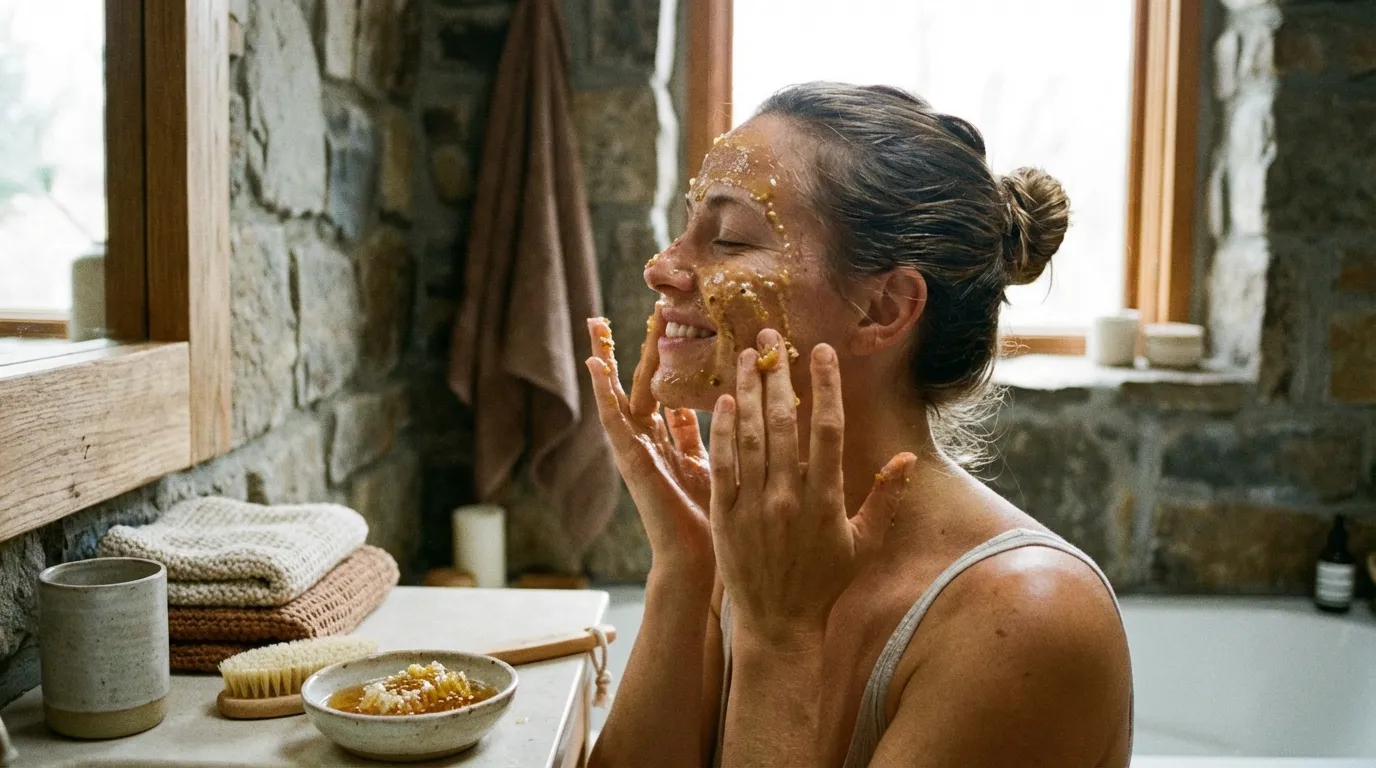
Honey is also used as a simple face mask in natural skincare circles. Spread a thin layer on clean skin, leave it for about ten minutes, then rinse. Skin often feels softer and calmer after, at least from this view. Patch testing first is still smart.
Beeswax often shows up alongside honey in these routines. It helps seal in moisture and usually doesn’t clog pores, which is why it’s covered in more detail in our guide on beeswax skincare benefits.
Australian Raw Honey, Sustainability, and Local Impact
What makes Australian honey different usually comes down to where it’s made. Wide‑open, fairly clean environments and very specific native plants shape the flavor in ways imported honey usually can’t match. That’s why varieties like Jarrah and Ironbark taste so distinct, and why their higher antioxidant activity compared to many imported honeys first caught people’s attention. It’s different, but in a straightforward, grounded way.
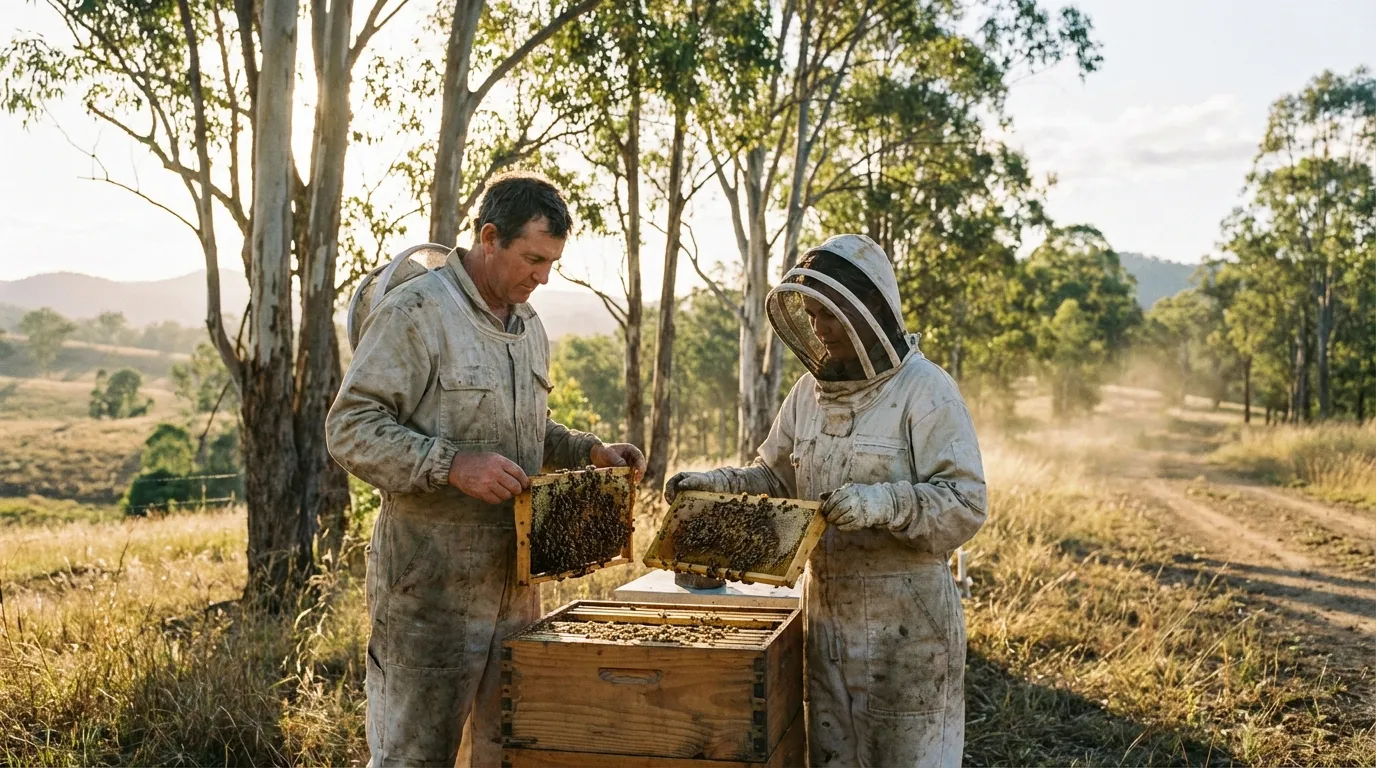
There’s more to it than flavor, too. Buying local honey helps support Australian beekeepers and the pollination work farms depend on every year. Sustainable beekeeping can also help reduce pressure on bee populations around the world, even if those efforts stay pretty low‑key.
Industry reports show growing demand in Australia for single‑origin, traceable honey, often tied to people thinking more about health and long‑term impact (IMARC Group). Cutting food miles matters to eco‑conscious families, and a jar of raw honey can work as a thoughtful gift, not just another candle. There’s an online honey shop linked to Queensland landscapes if curiosity hits, simple, and very specific.
How to Use, Store, and Enjoy Raw Honey Daily
Raw honey slips into daily habits more easily than most people think. Mornings are usually the easiest place to start. A drizzle over yoghurt or salads, or swapping it in for sugar in tea, works without much effort. Baking can seem harder, but it doesn’t need to be. The changes are minor. This guide on honey for baking explains the swaps clearly and keeps things practical, not technical.
Storage is simple. Raw honey keeps best at room temperature with the lid tightly closed. The fridge won’t help. Crystallisation is common and totally normal. A warm water bath will loosen it again, as long as the heat stays gentle. Microwaves should be avoided.
Quality matters, especially with raw honey. Producers who explain where it comes from and how it’s harvested are usually a safer choice. Curated options can help steer clear of low‑grade imports, which makes the raw honey product range a useful place to start.
Moderation still applies. One or two teaspoons a day is plenty to enjoy the flavour without slowly adding extra sugar.
Common Questions People Ask
Is raw honey safe to eat every day?
For most adults, it’s usually fine. Raw honey is generally okay in moderate amounts, I guess. One exception: infants under one year shouldn’t eat it.
Does heating raw honey strip nutrients?
Yep.
Heat can damage enzymes and antioxidants, so it’s usually better to add honey after cooking, you can tell.
Can raw honey help with immunity?
Raw honey can support general wellness and gut health, but it’s not a cure. It usually fits into a balanced diet, useful support in most cases, not a miracle fix.
Why does raw honey crystallise?
Crystallising is normal and happens over time. It often suggests the honey wasn’t processed. Warm it gently and slowly, and you can watch it turn liquid again.
Is Australian raw honey better than imported honey?
Australian honey is known for a clean taste (at least to me), with clear floral notes, and buying local often helps with sustainability.
The Sweet Takeaway for Everyday Health
What keeps people coming back to raw honey is how simple it feels. It’s more than just something sweet; it’s a natural food with real nutrition, and that’s likely why people keep using it. When it’s picked with care and portions stay reasonable (which isn’t always the case), it can give you things refined sugar usually can’t. That balance, not big claims, is what makes it easy to enjoy as part of everyday life.
For health‑conscious Australians, raw honey often fits into a mindful way of living. It also appeals to people who care about skincare and meaningful gifts, since it feels gentle and natural instead of flashy or heavily processed. There’s no need to overthink it; most of the time, it just slips into daily habits without much thought.
One helpful approach is choosing honey that’s local and truly raw, and taking a bit of time to know where it comes from and support ethical beekeeping, which often matters more than expected. Local really counts here. That’s why we’ve covered trusted suppliers at the Queensland honey store, so enjoying honey stays close to how nature intended.


