
Last updated:
TLDR; Raw honey is gaining attention in Australia for supporting gut health and immunity, thanks to its natural enzymes, antioxidants, and prebiotic properties that differ from processed honey. Honey sourced from Australian native flora may offer added benefits due to unique plant compounds linked to antimicrobial and anti-inflammatory effects. Regular, moderate use—such as adding raw honey to drinks or foods without high heat—can support digestion and immune balance over time. To get the most benefit, choose high-quality, sustainably sourced raw honey and use it consistently as part of a balanced diet.
Raw honey has been in Australian kitchens for generations, but lately it’s getting fresh attention for more than taste. More people are reaching for raw honey for gut health, immune support, and everyday wellbeing, and it’s happened pretty quietly. This shift tends to grow when something feels good over time, and Australian research is starting to explain why people notice benefits.
If you care about what goes into your body, you’ve probably thought about sugar, digestion, and how your immune system holds up year after year. Many sweet foods cause issues down the track. Raw honey sits in a different space, in my view. Because it isn’t heated or heavily filtered, it keeps enzymes, plant compounds, and a mix of natural sugars. Processed honey often loses much of that along the way.
This article looks at what Australian studies say about raw honey and gut health, without heavy science talk. It covers how it supports good bacteria and immune function, why honey from native flora matters, and how to choose and use raw honey at home. Whether it’s for family use, skincare, or a thoughtful local gift, the aim is simple, practical detail without the overwhelm.

Why Gut Health and Immunity Are So Closely Linked
The gut does a lot more than break down food. Around 70 percent of the immune system is based there, which surprises many people but helps explain everyday health issues. Because of that setup, the balance of bacteria in the digestive system often affects how well the body handles bugs going around. When that balance is off, people tend to feel run down more often or catch colds one after another. Low-grade inflammation can also show up, especially when the gut isn’t working the way it should. Not exactly the goal for most people.
Researchers in Australia have been looking at how regular food choices support gut health over time, instead of focusing only on quick fixes. A lot of this research looks at prebiotics. Rather than adding new bacteria, prebiotics feed the helpful ones that are already there. Raw honey fits into this category because it contains natural prebiotic compounds called oligosaccharides. These help bacteria like Lactobacillus and Bifidobacterium grow and stick around. That simple, food-first approach helps explain why honey keeps coming up in gut health research.
Research supported by AgriFutures Australia suggests that about 20 grams of honey per day can have a positive effect on gut bacteria. That’s roughly one tablespoon, which makes it easy to include in daily habits. Small changes like this, when done regularly, often matter more than people expect for long-term health. It’s low-key, but effective.
Below is a snapshot of key findings from Australian honey research.
| Research Area | Key Finding | Why It Matters |
|---|---|---|
| Gut health | ~20 g daily honey intake supports beneficial gut bacteria | Healthier digestion and immune response |
| Antibacterial action | >75% of native honey samples inhibited bacteria at low concentration | Supports natural immune defence |
| Native flora | Eucalyptus and wildflower honeys retained activity when diluted | Real-world effectiveness |

What Makes Raw Honey Different From Regular Honey
Not all honey is the same, even when the jars look identical on the shelf, and labels often add to the confusion. Most supermarket honey is heated and heavily filtered during processing. This helps it last longer and look perfectly clear, which is usually what big brands are aiming for. But that process also removes things many people actually want from honey. Raw honey is treated differently, and more gently. It’s usually only lightly strained to remove bits of wax or debris and isn’t exposed to high heat, which can make a real difference.
Because of that gentler handling, raw honey tends to keep more of its natural enzymes, pollen, and plant compounds from the flowers bees visit. One example is polyphenols, which are often linked to antioxidant and anti-inflammatory effects. Researchers from the University of Sydney found that some Australian native honeys still showed antibacterial activity even after being diluted. That matters, because it suggests the benefits aren’t just about sugar (University of Sydney).
If you’re choosing honey for gut or immune support, raw and unfiltered options usually make more sense, especially for everyday uses like tea or yogurt. There’s more detail in the guide comparing raw vs pasteurised honey. Additionally, you can read Understanding Raw vs. Unfiltered Honey: What’s the Difference? for deeper insights into honey types.
How Australian Native Flora Boosts Honey’s Health Benefits
Australia has plants you won’t find anywhere else, and that uniqueness often shows up in its honey. When bees feed on native plants, the honey can pick up certain traits along the way, basically a result of the local environment doing what it does. Jarrah, Ironbark, Leatherwood, and wildflower honeys have shown antimicrobial activity in lab studies. Nothing extreme on its own, but enough that researchers keep paying attention.
One Microbiology Open study found that honey made from Australian native plants slowed the growth of bacteria like Staphylococcus aureus and E. coli, even when used in small amounts. In everyday life, where we’re always exposed to microbes, findings like this are usually seen as a sign that local honey may offer some light, ongoing support when the body deals with common issues.
This helps explain why people care so much about where their honey comes from. Australian raw honey supports local beekeepers, which matters to many buyers. It’s also shaped by very specific plants and growing conditions. If you’re curious how different flora affects taste and properties, the Australian honey varieties guide explains it clearly.
During allergy season, some families also try local honey. It’s not a cure, but many feel it helps their immune system over time. Different views on that idea are shared in this article on local raw honey and seasonal allergies. Moreover, Local Honey for Allergies: Science, Myths & Immune Support offers a detailed look at the research behind these claims.
Practical Ways to Use Raw Honey for Gut and Immune Support
What many people notice first is how easy this is to keep up with. Raw honey doesn’t need a strict routine, which is a big reason people stick with it. Small amounts used often tend to work better over time for most people, without turning it into another habit to track. That’s really the main point. Below are a few everyday ways Australians already use raw honey, and most of them will feel pretty normal.
The simplest option is taking it straight from the spoon. No prep, no mixing. Research usually looks at around one teaspoon up to one tablespoon a day. Some people like it in the morning, others closer to bed, so it often just depends on what fits your day.
Plenty of people also mix it into warm water or herbal tea. Heat matters here. Boiling water can damage enzymes, while warm water generally doesn’t.
Using raw honey as a natural sweetener is another common choice. It works well in yoghurt, oats, smoothies, or baking. There’s more detail in the guide on honey for baking, especially how swapping sugar changes texture.
Pairing raw honey with other gut‑friendly foods also makes sense. Fermented foods like yoghurt or kefir are popular. The honey supports beneficial bacteria, while the fermented food adds live cultures.
Choosing Quality Raw Honey and Supporting Sustainability
One of the most interesting parts shows up before you even open the jar: the quality clues. When shopping for raw honey, people often get better results by looking at where it’s sourced and how lightly it’s processed, since that’s usually where the flavour and character come from. Labels that clearly say raw or unfiltered are often a safer choice. And that cloudy look or gentle crystallisation? Here, it can be a sign the honey hasn’t been overheated or overly processed.
Ethical beekeeping matters more than it first seems. Sustainable hive management helps keep bees healthier and supports a steadier supply over time, not just a single harvest. Many Queensland‑based producers prefer low‑intervention methods, letting bees work naturally instead of pushing them.
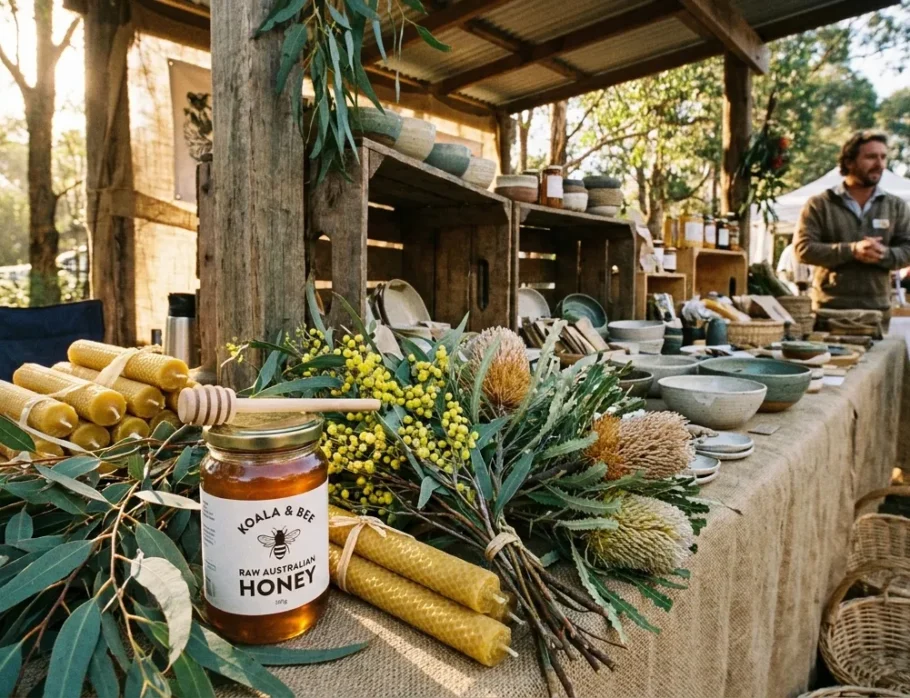
Looking at real examples helps. Browsing the honey and hive products collection shows this in action, with honey listed alongside beeswax candles and wraps made from responsible by‑products.
Buying direct from trusted suppliers often means fresher honey, which can matter more when it’s part of daily use or wellness, not just taste. For further health insights, check out Raw Honey Benefits: Daily Health and Wellness Guide.
Questions people often ask
Australian research often lands around 20 grams a day, about a tablespoon, more or less. I think of it as a small amount used regularly, not overdone, and it’s commonly adjusted based on diet and health needs.
Is raw honey safe for daily use?
For most adults and kids over one year old, raw honey is generally safe if you eat it in moderation. It’s pretty simple. Still, raw honey should never be given to babies under 12 months, even if it’s tempting.
Does raw honey really support immunity?
Raw honey may help immunity, mostly in indirect ways. It feeds helpful gut bacteria (often missed) and provides antioxidants. When your gut is healthy, your immune system usually works a little better.
When is the best time of day to take raw honey?
I don’t think there’s one perfect time; it’s more about using it regularly than watching the clock. Morning or evening usually works for most days.
Can I cook with raw honey and still get benefits?
But high heat usually cuts the benefits, so don’t boil it. A better option is adding raw honey to warm drinks, and stirring it in after cooking.
The Bottom Line for Everyday Wellness
For families and eco‑conscious shoppers, raw honey often hits a sweet spot: useful, thoughtful, and not generic, especially as a gift. That mix of function and heart usually matters to people who care about how things are made. In my view, that balance is part of why it’s stayed popular.
The health side is pretty simple. Raw honey is familiar, and Australian research keeps backing it up, which feels reassuring. It supports gut health by feeding good bacteria and often helps the immune system too, thanks to natural antimicrobial effects and antioxidants that show up with regular use. Nothing dramatic, just everyday benefits that add up over time. When it’s sourced locally, it also reflects Australia’s native plants and the care behind sustainable beekeeping, which a lot of people value.
How to start without overthinking it? It usually works best when you keep things simple. Pick a quality raw honey, use a small amount each day, and pay attention to how your body feels over time. Most people notice small changes, like swapping it into morning tea or drizzling it on toast. We’ve shared trusted local options in the online honey shop, with more detail across the honey and hive range if you want to compare.
Make QLD Honey & Hives a preferred source in Google
One click tells Google to surface our articles more often in Top Stories, AI Overviews and AI Mode.


